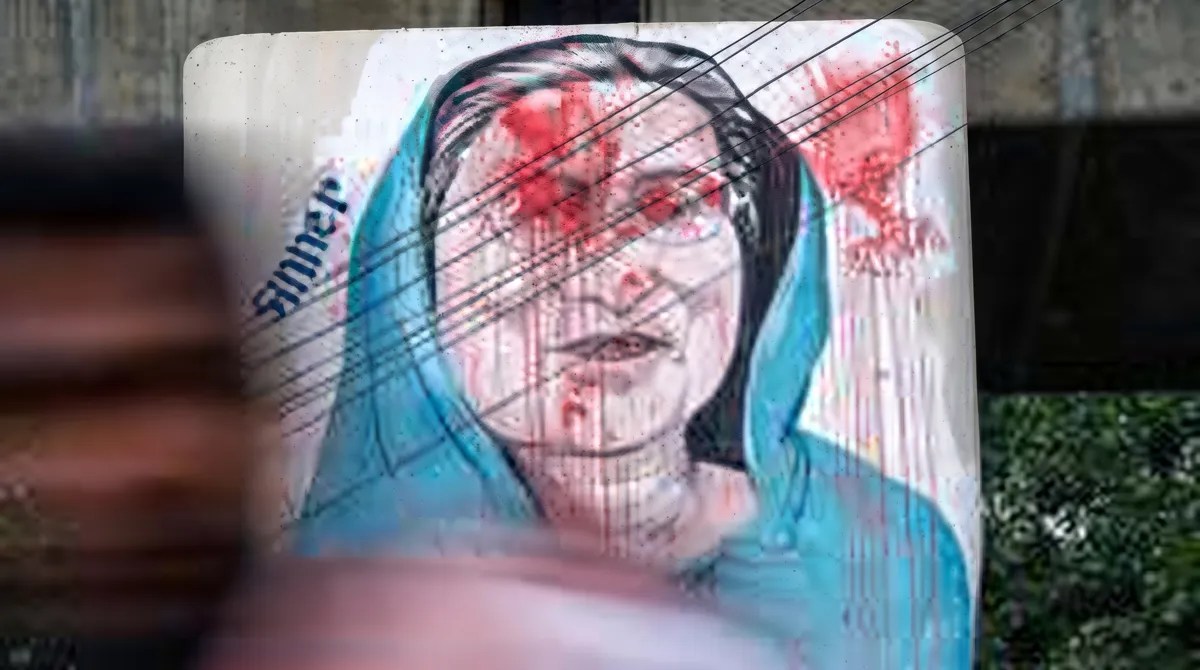
La exprimer ministra de Bangladesh Hasina promete regresar pese a enfrentar la pena de muerte
Former Bangladeshi Prime Minister Sheikh Hasina, who has been living in exile in India since being ousted in a mass uprising two years ago, announced on Wednesday that she intends to return to Bangladesh in December — despite facing the death penalty for crimes against humanity.
Hasina speaks from exile
Hasina, 78, delivered an audio statement to reporters at the Foreign Correspondents' Club in Delhi — her first public media appearance since she fled Dhaka in 2024 as tens of thousands of demonstrators stormed government buildings. Speaking over an audio link, she said she 'had to go back' to Bangladesh, while declining to give precise plans or dates. 'I know that they may put me in jail or they may kill me, anything may happen, but still I have to go back,' she said.
She was tried and convicted in absentia by a special tribunal in Bangladesh last year, which sentenced her to death for ordering security forces to use lethal force against protesters during the 2024 uprising. The UN estimates up to 1,400 people were killed — most by gunfire — during protests that began as a student movement against public-sector job quotas and escalated into a mass anti-government revolt.
Evidence and charges
Hasina denied the charges, calling them politically motivated. However, UN investigators found evidence that she and her government used systematic, deadly violence to hold onto power. A phone call audio verified by BBC Eye captured Hasina authorising a deadly crackdown on demonstrators, and prosecutors used the recording as key evidence in the conviction.
Her Awami League party has largely collapsed since her ouster. Bangladesh Nationalist Party (BNP) leader Tarique Rahman became prime minister after elections in February this year, and his government has demanded India extradite Hasina — a request India says it is still examining.
Diplomatic fallout
Bangladesh's government reacted furiously to Hasina's press briefing. The foreign ministry said it was 'outraged' that India had allowed her to appear before the media. 'Our people have firmly resolved that our nation will never again go back to the dark days of fascism,' a ministry statement said. A return by Hasina to Dhaka is expected to trigger significant political unrest. Security analysts say her arrest — widely expected if she returns — would heighten tensions further between her supporters and the new government.