France Bans Social Media for Under-15s in EU First
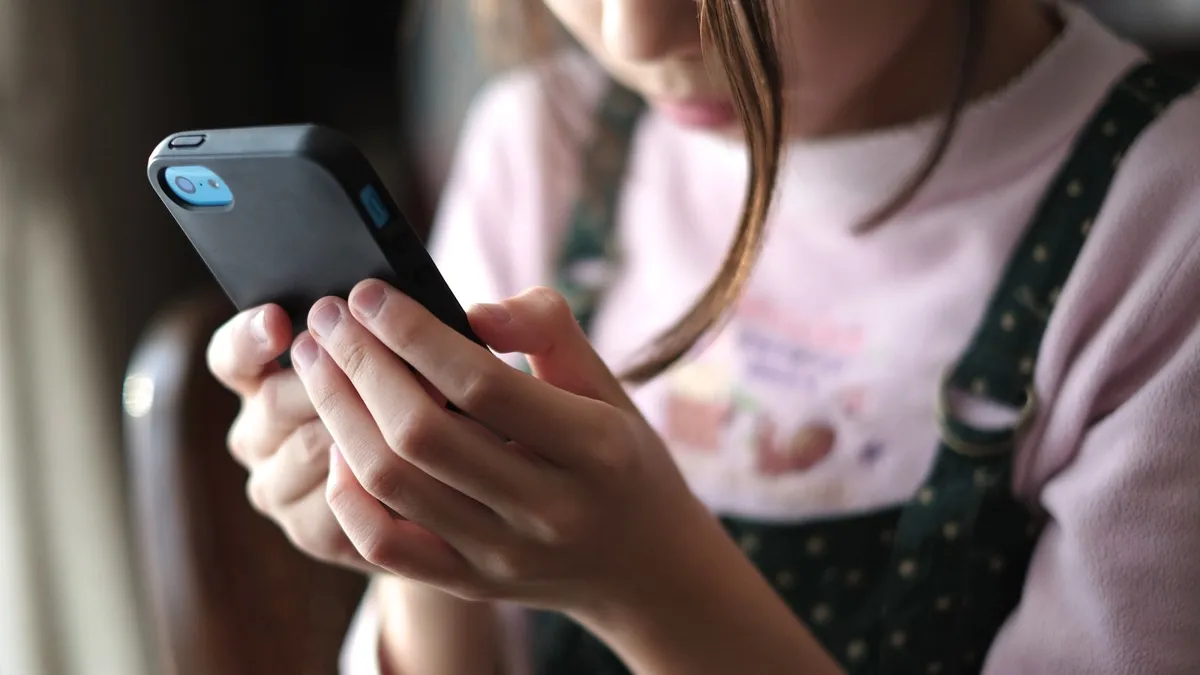
France has become the first country in the European Union to adopt a blanket ban on social media access for children under 15, after both chambers of Parliament approved the landmark legislation on Tuesday. President Emmanuel Macron hailed the vote as "a major step forward" for the country, saying France was "leading the way in Europe when it comes to protecting our children and teenagers."
What the Law Does
The new legislation prohibits minors under 15 from accessing social media platforms entirely. It also enforces a ban on cellphones in secondary schools. The bill makes an exception for "online encyclopedias, educational or scientific directories, or platforms for the development and sharing of free software or open-source educational digital projects" — meaning platforms like Wikipedia remain accessible.
The legislation, first submitted in the National Assembly last November, has spent six months working through the Senate before reaching final approval. If it passes constitutional review, the ban will take effect in September 2026.
Constitutional Review Pending
The bill now goes before France's Constitutional Council, which must rule on whether the measure complies with the country's constitution. Macron acknowledged this step in a social media post after the vote, saying it was now "up to the Constitutional Council" to rule on the measure.
Some left-wing lawmakers have questioned both the constitutionality of the measure and the government's ability to enforce it. France Unbowed lawmaker Arnaud Saint-Martin argued that while young people may be "exposed to dangerous content" online, "they also find ways to access information and empower themselves." He described the bill as a "smokescreen law."
A Global Trend
France's move follows Australia, which enacted a social media ban for children under 16 in December 2025 — one of the world's first such national restrictions. Denmark has also proposed a similar ban for under-15s. In the United States, the Los Angeles Unified School District, the country's second-largest, has adopted strict screen time limits for students on school-issued devices.
The technology industry and child safety advocates have long clashed over how to balance online safety with access to information. France's law represents one of the most sweeping legislative responses yet to concerns about the impact of social media on young people's mental health.