Global Conflict Ripples: How the Middle East Escalation Became Ukraine's War
KYIV — What began a month ago as a targeted military operation by the United States and Israel against Iran has rapidly spiraled into a regional conflagration with unprecedented global reach. For Ukraine, a nation already entrenched in a grueling four-year war with Russia, the Middle Eastern crisis has proven that in an interconnected world, no major conflict remains truly isolated.
A Regional Crisis with Global Reach
While the duration and casualty count of the US-Israeli campaign have not yet matched the scale of the Russian-Ukrainian war or recent battles in Gaza, the sheer number of nations drawn into the fray has set a modern record. Within days of the initial strikes, Iranian missiles and drones breached the airspace of Qatar, Bahrain, Kuwait, the United Arab Emirates, Oman, Saudi Arabia, Jordan, Iraq, Azerbaijan, Turkey, and Cyprus.
Furthermore, Iranian forces targeted British, French, and German military personnel stationed in the Middle East. The strategic blockade of the Strait of Hormuz—a crucial maritime chokepoint handling 20% of global oil traffic—has sent economic shockwaves far beyond the immediate theater of operations, heavily impacting neutral nations.
The Illusion of a "Foreign" War
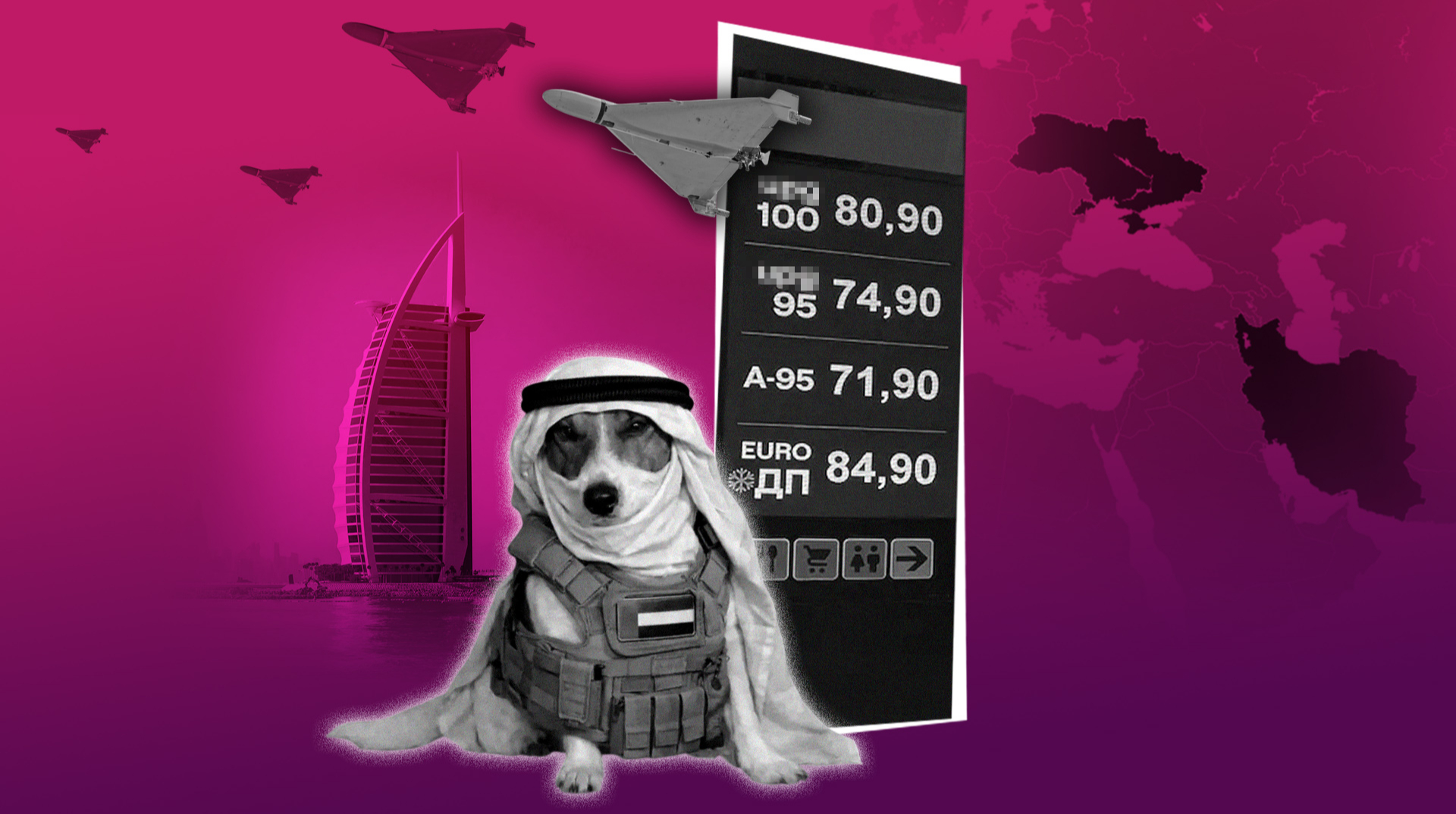
Initially, many Ukrainians observed the escalating crisis from a distance, adopting the posture of seasoned veterans watching a new conflict unfold. The surreal imagery of Iranian "Shahed" drones attacking the glittering skyscrapers of Dubai sparked a wave of dark humor across Ukrainian social media. Memes circulated about "Dubai military recruiters" chasing draft dodgers in Rolls-Royces and luxury high-rise residents crowdfunding for backup generators.
However, the psychological detachment quickly evaporated as the tangible consequences of the Middle Eastern war reached Ukrainian soil. The conflict has triggered a cascade of adverse geopolitical and economic effects for Kyiv:
- Energy Crisis: A sharp spike in global energy prices has directly hit Ukrainian gas stations.
- Russian Resurgence: Surging oil prices have provided a multi-million dollar boost to the aggressor state's budget, compounded by the Donald Trump administration's subsequent easing of anti-Russian sanctions.
- Resource Depletion: The conflict has severely drained the United States' stockpile of anti-aircraft missiles, exacerbating Ukraine's chronic air defense shortages.
- Direct Threats: Citing Article 51 of the UN Charter, the Iranian leadership has officially declared Ukraine a "legitimate military target."
Exporting Expertise Amid Economic Vulnerability
The crisis has also highlighted Ukraine's unique military capabilities. Arab nations have shown significant interest in Ukrainian-made interceptor drones, leading to the deployment of Ukrainian military specialists to the Middle East.
Yet, the unfolding events have tested a popular domestic narrative: the belief that Ukrainians are uniquely prepared for a Third World War. While the Ukrainian Armed Forces possess unparalleled experience in 21st-century drone warfare, true readiness for a global conflict extends beyond military prowess to economic resilience.
For the past four years, Ukraine's ability to withstand Russian aggression has been heavily reliant on a stable, peaceful West. Unrestricted movement of goods, secure logistics, and billions in Western financial aid have shielded Ukrainian citizens from total economic collapse, product deficits, and rationing. As global instability threatens the very economic foundations of Ukraine's Western allies, the realization dawns that a worldwide conflict could jeopardize the vital lifeline that has kept the nation fighting.

We use cookies to improve your experience. Privacy Policy