Hungarian Opposition Party 'Tisza' Surges to Record Lead Over Orbán's Fidesz Ahead of Elections
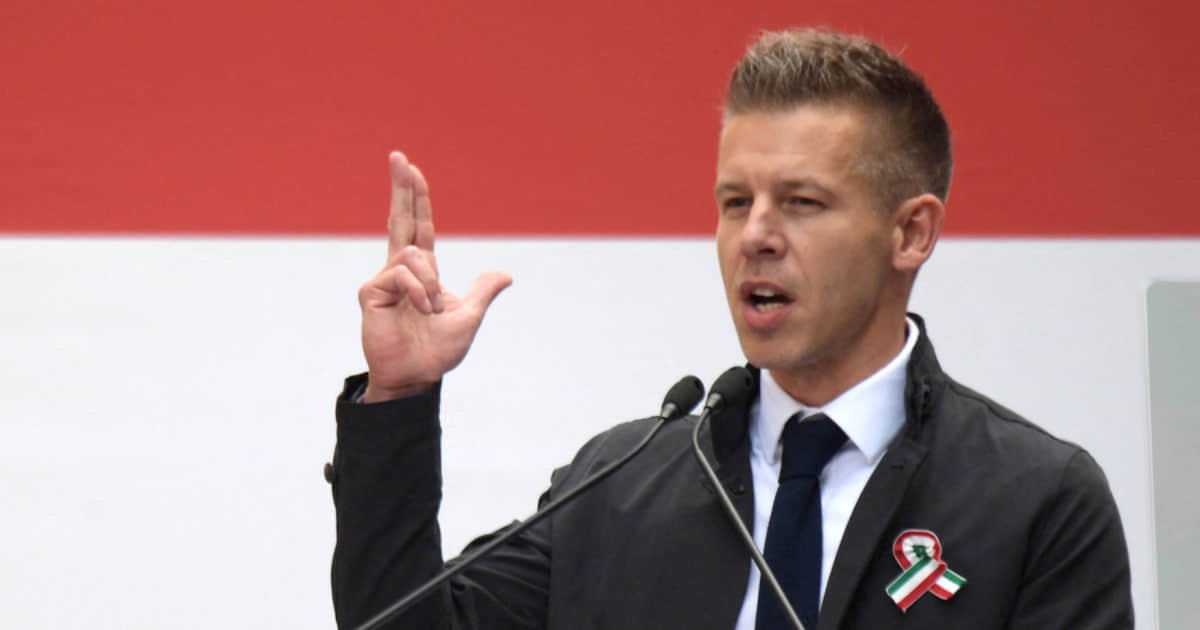
As Hungary gears up for its parliamentary elections, the opposition party "Tisza," led by Péter Magyar, is seeing a significant surge in voter support, widening its lead over Prime Minister Viktor Orbán's ruling "Fidesz" party to a record high.
Latest Polling Data Reveals Shifting Tides
According to a recent survey conducted by Research Center 21 between March 23 and 28, 2026, which polled 1,500 respondents, the electoral gap continues to grow substantially in favor of the opposition. The data, cited by Telex and European Pravda, highlights a stark contrast in voter intentions:
- Among likely voters, Tisza leads Fidesz by 16 percentage points.
- Among those who have firmly decided to vote, the margin expands to a staggering 19 points, with Tisza commanding 56% compared to Fidesz's 37%.
When looking at the general population, researchers noted a 12-point difference. This indicates that the opposition party could potentially mobilize approximately 900,000 more voters nationwide than the incumbent Fidesz.
Momentum and Political Defections
The opposition's active campaigning has yielded visible results. Just three weeks prior, the gap stood at 10 percentage points among likely voters and 14 points among definite voters. Analysts suggest that since January, Péter Magyar's party has successfully capitalized on shifting public sentiment to attract a broader electorate.
The shifting political landscape is also triggering defections within the ruling coalition. Recently, István Orosz, the mayor of Bátonyterenye, announced his resignation from the Christian Democratic People's Party (KDNP)—a key government coalition partner—and publicly urged citizens to support the Tisza candidate.
Meanwhile, the pressure on the current administration is becoming increasingly visible. During a campaign rally on March 27, Prime Minister Viktor Orbán was confronted by an unusually large crowd of counter-demonstrators, forcing him to shout over the protests to deliver his speech.

We use cookies to improve your experience. Privacy Policy