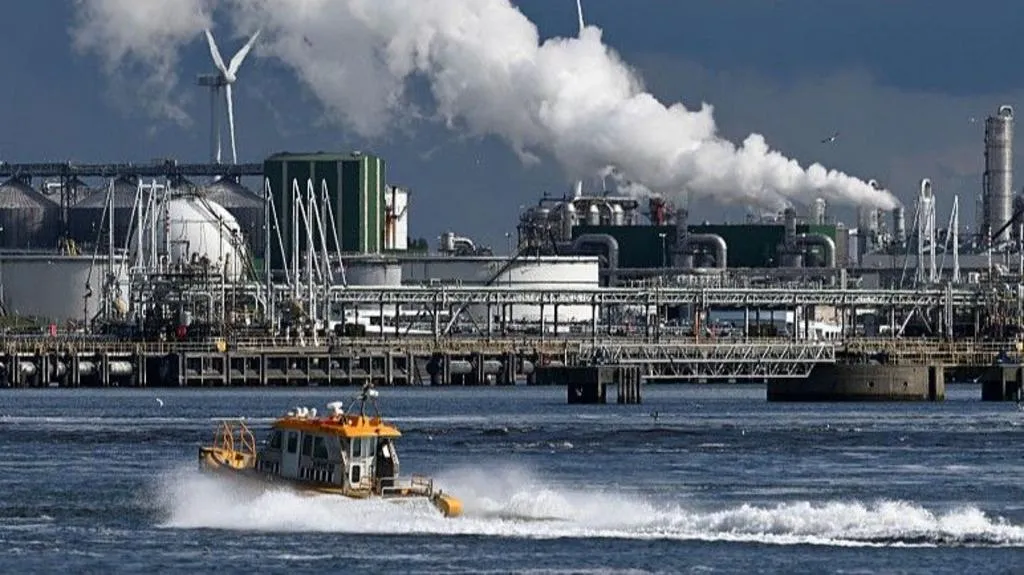
Lawsuit Pressures Rotterdam Port to Cut Fossil Fuel Ties Faster
The Port of Rotterdam, Europe's largest port and a key hub for oil, gas and other fossil fuel imports into the continent, is facing a legal challenge from environmental campaigners demanding it move faster to cut its dependence on fossil fuel firms. The lawsuit argues that the port's current green transition timeline falls short of what is needed to limit climate change.
What the Lawsuit Demands
The legal action calls on the Port of Rotterdam Authority to set more ambitious targets for reducing the volume of fossil fuels flowing through its facilities and to phase out contracts with companies whose business model depends primarily on coal, oil and gas. Campaigners argue the port, which handles a significant share of Europe's energy imports, bears a special responsibility to accelerate the shift away from fossil fuels given the scale of throughput it enables.
Rotterdam: Europe's Energy Gateway
Rotterdam handles more cargo than any other European port, with a significant portion of its business tied to the fossil fuel trade. Tankers carrying crude oil, liquefied natural gas (LNG), and coal regularly call at the port, making it one of the largest sources of carbon emissions linked to European energy consumption. The port has outlined plans to transition towards handling green hydrogen and other renewable energy sources, but critics say these plans are not moving fast enough.
A Pattern of Climate Litigation
The lawsuit against Rotterdam port follows a broader trend of climate litigation targeting companies and public bodies that are seen as insufficiently committed to reducing greenhouse gas emissions. Courts in several countries have already ordered companies and governments to set more ambitious climate targets, in rulings that have reshaped the legal landscape for fossil fuel operations across Europe.