Spain Deploys Troops to Ceuta After 15 Drown in Mass Crossing
Spain has ordered military forces to reinforce its North African enclave of Ceuta after thousands of migrants swam across from Morocco on Thursday, overwhelming local authorities and leaving at least 15 people dead by drowning in the chaos.
Scenes of Chaos at the Border
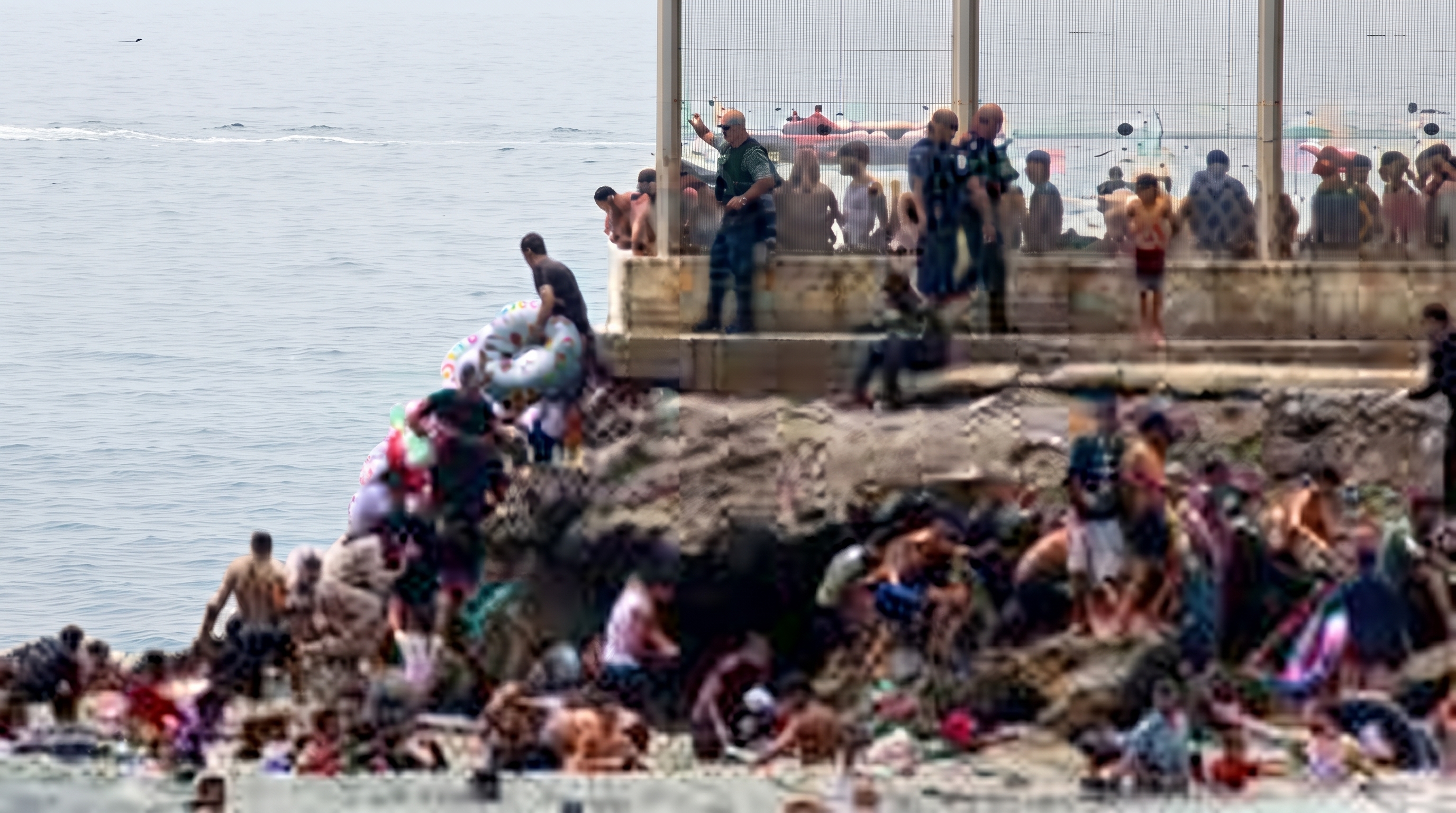
Thousands of people slid down concrete embankments into the sea to swim around a jetty marking the border between Morocco and Ceuta, a Spanish territory on the northern Moroccan coast. On the Spanish side, beaches filled with discarded rubber rings and flippers. While some arrivals celebrated reaching European soil, more than a dozen died trying to make the crossing.
Local officials had been appealing to Madrid for assistance for several days before Thursday's events, warning of a sharp rise in attempted crossings. When the surge came, Spanish authorities described the situation as total border collapse. About 100 to 150 people were eventually evacuated to reception centres, which rapidly became overwhelmed.
Legal Context and Political Fallout
The crisis was partly fuelled by a recent ruling from Spain's Supreme Court, which determined that migrants intercepted at sea while trying to reach Ceuta or Melilla, another Spanish enclave, could not be immediately returned to Morocco. Spain's interior ministry accused human trafficking networks of exploiting the ruling to drive undocumented migration.
Spain's armed forces will support the Civil Guard to "maintain security in the city of Ceuta," the interior ministry said. Prime Minister Pedro Sanchez was expected to visit Ceuta on Friday and pledged to restore order immediately.
European Tensions
The scenes prompted a sharp diplomatic row with Italy. Prime Minister Giorgia Meloni announced she was considering suspending the Schengen Area agreement, which guarantees open borders across 29 European countries, with Spain. Her foreign minister Antonio Tajani made similar comments. Spanish Foreign Minister Jose Luis Albares hit back, calling the remarks "improper" and accusing Italy of "partisan demagoguery."
Ceuta lies on Morocco's northern coast separated from mainland Spain by the Strait of Gibraltar, and has long been a crossing point for migrants trying to reach Europe. The full circumstances behind the sudden surge in crossings, and Morocco's response at the border, remained unclear.

We use cookies to improve your experience. Privacy Policy