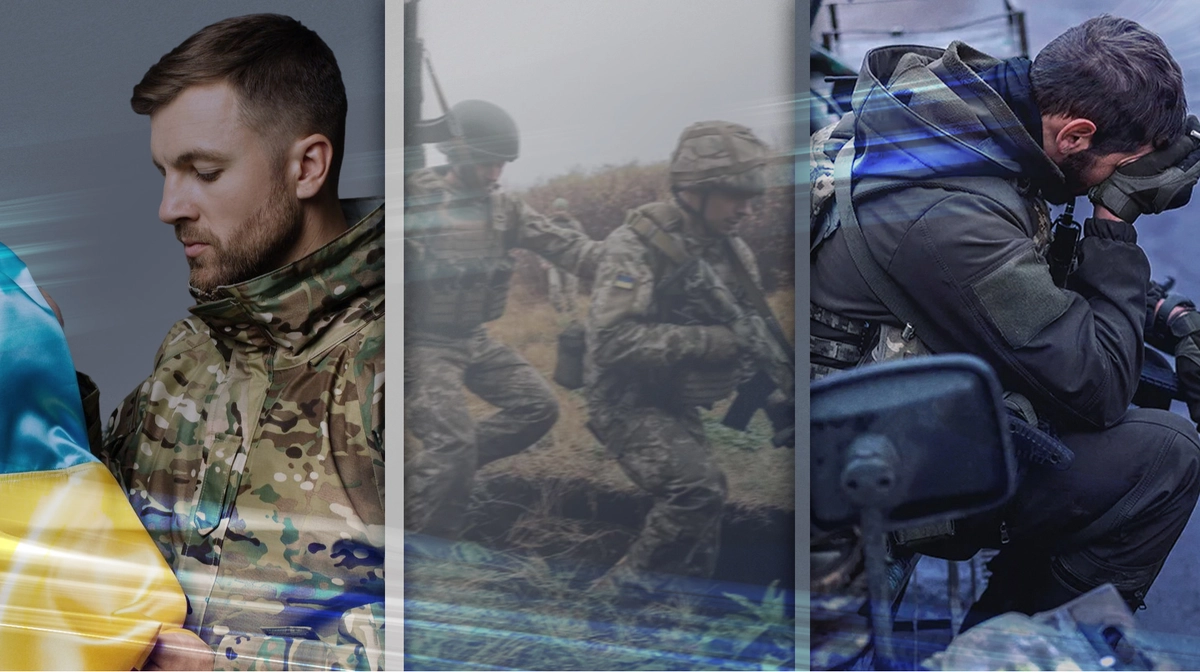
The Crisis of Indefinite Service: Why Ukraine Must Rethink its Approach to AWOL and Veteran Support
As the full-scale war enters its fifth year, the Ukrainian military faces a critical internal challenge: the psychological and physical toll of indefinite service. In a comprehensive analysis published on April 1, 2026, prominent journalist and serviceman Pavlo Kazarin sheds light on the complex reality of Unauthorized Absence (AWOL) within the ranks, urging society and the state to rethink how they treat long-serving soldiers.
The Dual Nature of AWOL
Kazarin points out a fundamental flaw in how the public and the justice system view soldiers who leave their posts. The AWOL classification currently lumps together two vastly different demographics. On one side are battle-hardened veterans who have endured years of combat, suffered under poor command, or faced severe family crises. Driven by extreme burnout, they reach a breaking point where they feel their debt to the nation has been paid. On the other side are recruits who flee basic training—individuals whose AWOL status is essentially another form of draft evasion, having never reached the frontlines.
According to Kazarin, rhetorically combining these two groups creates a systemic injustice. The military and legal frameworks fail to differentiate between a burnt-out warrior and a recruit who refused to fight, often sending both indiscriminately into assault units upon return.
Stark Statistics and the Burden of Time
The numbers surrounding this issue paint a sobering picture. By August of last year, over 200,000 individuals had gone AWOL since the war began, shortly before such statistics were classified. In stark contrast, fewer than 20,000 criminal cases for draft evasion were registered during the same period, resulting in under 2,000 convictions.
For those serving indefinitely, time becomes an adversary. Unlike the civilian world where experience brings career advancement, the military currently offers no progressive benefits. A soldier in their fifth year receives the same pay and the same 30 days of annual leave as a recruit in their first month. This lack of differentiation exacerbates the deep divide between military and civilian life, often leading to deteriorating health, stalled careers, and broken marriages caused by 11 months of separation each year.
Incentives Over Punishment
The core of the issue lies in the absence of a demobilization timeline, which deprives society of the "role model of a veteran"—a citizen who has completed their service and returned to civilian life. Kazarin argues that because the state cannot currently promise a definitive end date for service, the focus must shift from punitive measures to tangible rewards.
Currently, the system inadvertently favors latecomers, offering them flexible three-year contracts and position choices, while ignoring the accrued "wear and tear" of early volunteers. To combat the AWOL crisis among veterans, Kazarin proposes a paradigm shift: length of service must directly influence leave duration, financial compensation, and family benefits. By replacing the threat of the "whip" with the incentive of the "carrot," the state can better maintain the discipline, morale, and justice required to sustain a prolonged war.

We use cookies to improve your experience. Privacy Policy