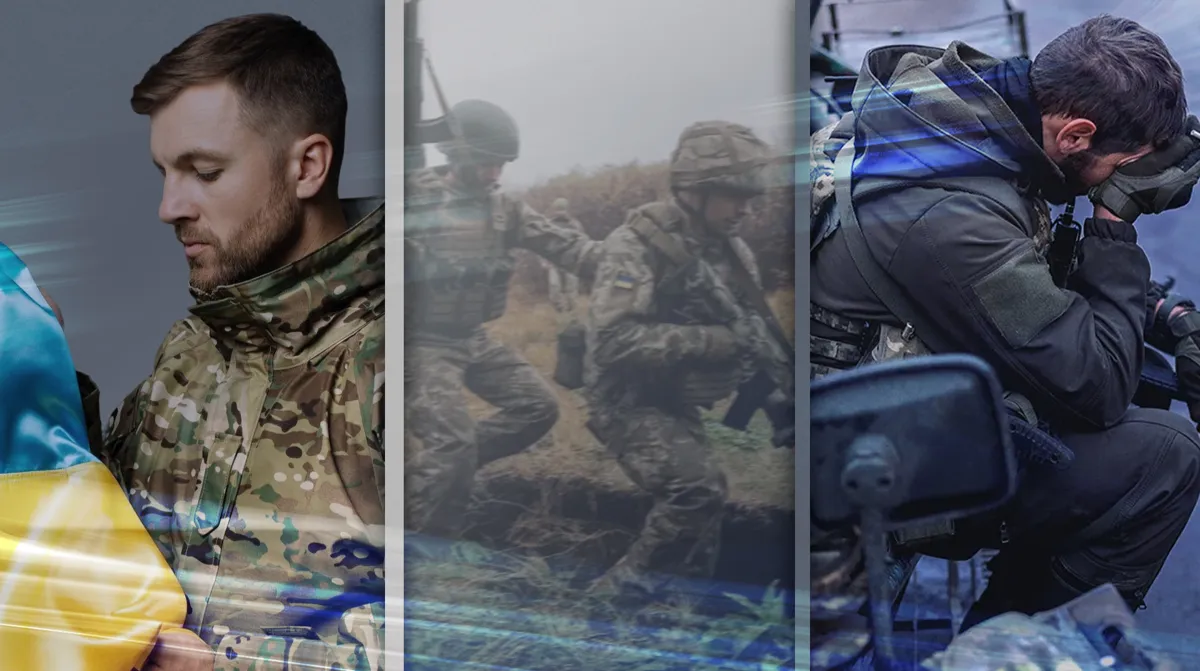
The Crisis of Indefinite War: Why Ukraine's Military Faces an AWOL Dilemma
As the full-scale war stretches into its fifth year, Ukraine's military is grappling with a profound internal challenge: the psychological and physical exhaustion of its soldiers caused by indefinite service terms. In a compelling analysis published on April 1, 2026, Ukrainian journalist Pavlo Kazarin highlights the growing crisis of Unauthorized Absence from Military Units (AWOL) and the systemic flaws driving it.
The Two Faces of Desertion
Kazarin argues that society and the military justice system mistakenly lump two entirely different groups into a single AWOL statistic. The first group consists of battle-hardened veterans. These are soldiers who have endured years of combat, suffered under poor command, or faced severe burnout. Many leave their posts out of desperation to save their failing marriages and families. In their minds, they have already paid their debt to the nation.
The second group, however, comprises individuals who flee during basic training. For them, AWOL is merely another form of draft evasion. "Their participation in the war ended before it even began," Kazarin notes. Yet, the system treats both groups equally, failing to account for past service when handing down sentences or reassigning them to assault units.
Staggering Statistics and the Cost of Time
The lack of a clear demobilization timeline has made military service feel irreversible, depriving society of the traditional "veteran" role model. The numbers reflect the severity of the issue. By August of last year, over 200,000 individuals had gone AWOL since the start of the war—a statistic that was subsequently classified. In stark contrast, during the same period, fewer than 20,000 criminal proceedings were registered for mobilization evasion, resulting in fewer than 2,000 convictions.
For soldiers on the front lines, time becomes an enemy. While civilians continue to build careers and lives, military personnel face compounding issues:
- Physical deterioration, including chronic back and knee problems.
- Strained family relations, where a standard 30-day annual leave cannot compensate for 11 months of separation.
- A widening disconnect with civilian friends and pre-war professional skills.
A Call for Incentives Over Punishments
A glaring injustice in the current system is that time served offers no cumulative benefits. A soldier in their fifth year receives the same pay and leave as a recruit in their first month. Ironically, those who delayed their mobilization often receive better conditions, such as three-year contracts and a choice of positions.
Kazarin points out that current discussions around combating AWOL focus entirely on increasing punishments—the "stick"—without considering the "carrot." He advocates for a fundamental shift in military policy where length of service directly improves the quality of service. By linking time served to increased leave, better financial compensation, and family benefits, the state could provide exhausted veterans with a tangible reason to stay, ultimately reducing the AWOL rate among experienced fighters.
As the war shows no signs of ending, relying solely on character and discipline is no longer sustainable. The state must create a system that honors the mileage and wear-and-tear of its defenders, rather than simply demanding more.