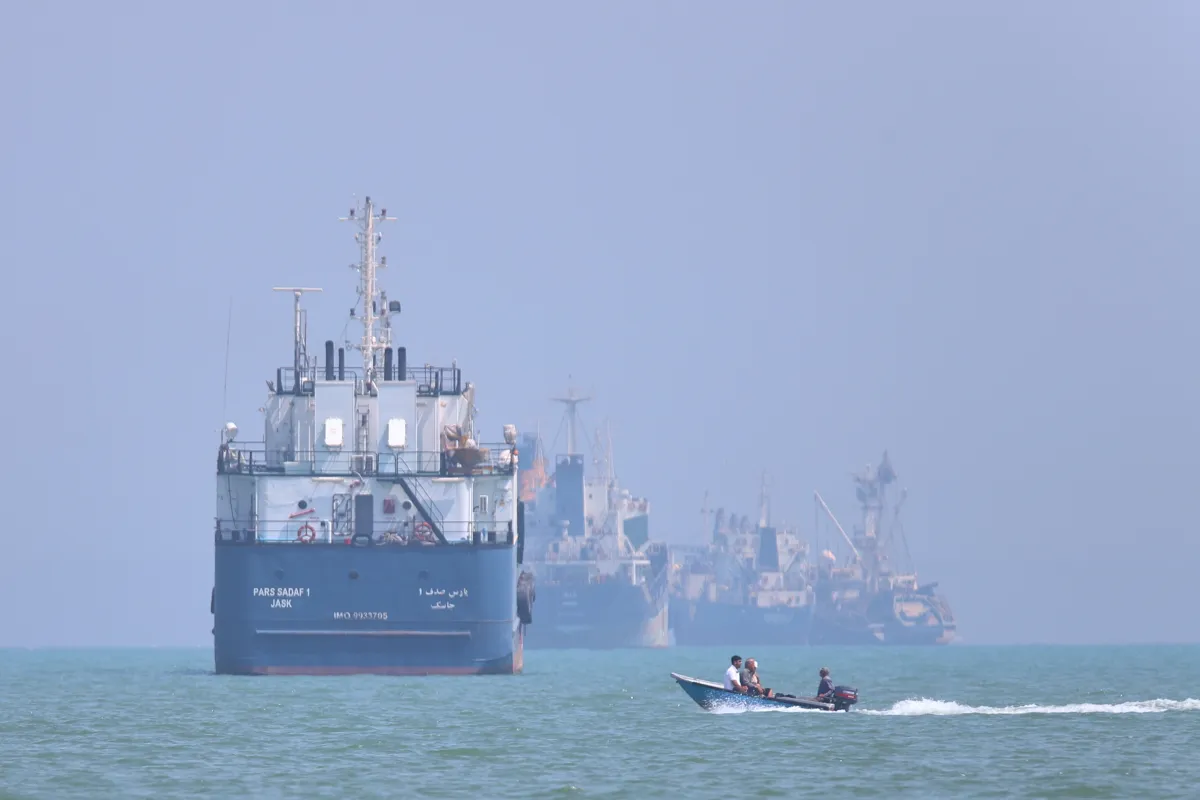
Trump Cancels Iran Strikes, Says Peace Deal Coming 'Soon'
President Donald Trump announced late Thursday that he is halting further US military strikes against Iran and declared that a peace deal with Tehran will be announced "soon." The dramatic reversal followed two consecutive days of American airstrikes that began after Iran downed a US Apache helicopter over the Strait of Hormuz, the narrow waterway through which roughly 20 percent of the world's oil passes.
Two Days of Escalation
The military confrontation began June 10 when Iran shot down the US helicopter over the strait, prompting Trump to order immediate retaliatory strikes on Iranian military positions — the first direct US military assault on Iranian territory in the current escalation cycle. On June 11 the United States launched a second consecutive day of strikes, deepening the confrontation. US attacks on tanker vessels in the Gulf of Oman killed at least three Indian sailors, triggering a diplomatic protest from New Delhi.
The conflict exacted a heavy economic toll. Energy markets reeled as oil prices surged; US inflation reached 4.2 percent — a three-year high — driven in large part by soaring fuel costs tied to the standoff over the Strait of Hormuz.
Trump Pivots to Peace
Despite spending recent days escalating his rhetoric against Tehran, Trump reversed course Thursday evening, declaring he was canceling further strikes and announcing a peace deal would follow "soon." He offered no specific timeline or details about what any agreement would contain.
The announcement matches Trump's established pattern of maximum pressure followed by a pivot to direct engagement. In his first term he applied a similar approach to North Korea, ramping up threats before proposing personal diplomacy with Kim Jong Un. Whether the current announcement leads to a genuine agreement with Iran remains highly uncertain.
What Comes Next
Iran has not formally confirmed or denied that peace negotiations are underway. Tehran was under extraordinary pressure: international sanctions remained in force, the country had experienced prolonged communications disruptions, and its military had suffered losses in the exchange. At the same time, Iran's regional proxy forces remained active and the Islamic Republic showed no sign of abandoning its nuclear program.
Diplomatic observers cautioned that a vague promise of a "deal" is far from a finalized agreement and called for concrete steps before markets could fully stabilize. The Strait of Hormuz situation remained the key variable — any genuine peace process would need to address freedom of navigation through the strait as an early confidence-building measure.