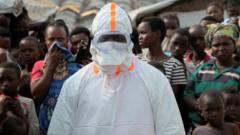
UK Health Worker Monitored for Ebola After DR Congo Evacuation
British health authorities are monitoring a humanitarian worker at a specialist London hospital after the individual was evacuated from the Democratic Republic of Congo following potential exposure to the Ebola virus, officials confirmed on Wednesday.
The UK Health Security Agency (UKHSA) said the worker was placed in a high-consequence infectious disease (HCID) unit as a precautionary measure. Authorities stressed that the risk to the wider UK public is very low, as Ebola does not spread through the air and requires direct contact with an infected person's body fluids.
Precautionary Isolation Protocol
When UK healthcare or humanitarian workers return from Ebola-affected regions, standard protocol calls for enhanced monitoring for up to 21 days — the maximum incubation period of the virus. HCID units are equipped with advanced containment facilities and specialist staff trained to treat patients with dangerous infections.
The identity of the worker has not been disclosed publicly. Officials noted that in most such cases, monitored individuals complete the observation period without developing any symptoms and are cleared without incident.
Ebola in the DR Congo
The Democratic Republic of Congo has suffered multiple Ebola outbreaks over the past three decades, more than any other country in the world. The current situation in the DRC has led international health organizations to maintain elevated vigilance for workers returning from affected areas.
Ebola is caused by a group of viruses within the genus Ebolavirus and can cause severe haemorrhagic fever. Case fatality rates in past outbreaks have ranged from 25% to 90%, depending on the strain and the quality of medical care available.
The UK has well-established procedures for monitoring and treating people who may have been exposed to Ebola, and the current risk to the public remains very low.
International humanitarian organizations, including Médecins Sans Frontières and the World Health Organization, operate in the DRC and routinely apply strict decontamination and protective protocols to reduce the risk of transmission. Health experts emphasised that the UK's swift evacuation and monitoring response reflects best practice and is designed to protect both the individual and the public.

We use cookies to improve your experience. Privacy Policy