US and Iran Reach Deal to Extend Ceasefire and Reopen Strait of Hormuz
The United States and Iran reached an initial agreement on Monday to extend their fragile ceasefire and set in motion the reopening of the Strait of Hormuz, a breakthrough that could ease a months-long global energy crisis — though major hurdles remain before the war can truly end.
Details of the deal were not immediately released. Mediator Pakistan announced that both sides will sign the full accord on Friday in Geneva. President Donald Trump hailed the agreement on social media, saying he had authorized the Strait of Hormuz to open and the U.S. naval blockade of Iranian ports to end. He later clarified the strait would not physically reopen until Friday.
Why the Strait of Hormuz Matters
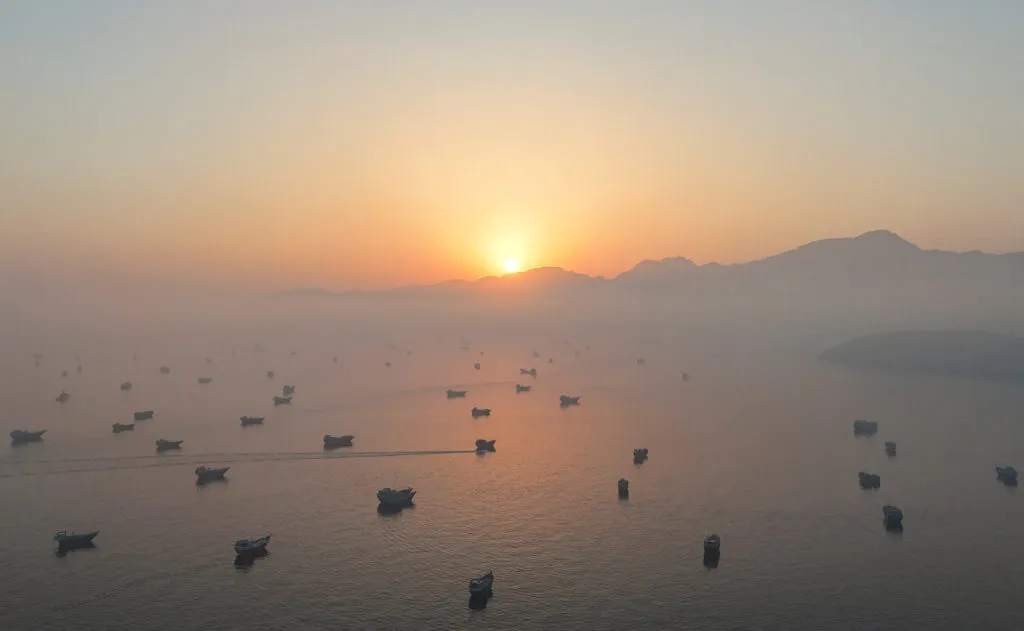
The Strait of Hormuz is one of the world's most critical energy chokepoints. Before the conflict erupted on February 28, roughly a fifth of the world's oil and natural gas passed through it daily. Iranian attacks on shipping vessels early in the war brought traffic through the waterway to a near standstill. Trump responded with a naval blockade of Iranian ports, which sent fuel and commodity prices surging globally. Energy experts warn it could take months before shipping volumes normalize even after the strait reopens.
Israel Complicates the Deal
The agreement's success is far from guaranteed. Israel — which joined the U.S. in launching the war against Iran on February 28 — is not a party to the deal, and its continued offensive in Lebanon threatens to unravel the accord. Iran has insisted any agreement must include a halt to fighting between Israel and Iranian-backed Hezbollah.
Israeli Defense Minister Israel Katz declared on Monday that Israel intends to remain "indefinitely" in territories it seized in Lebanon, Syria, and Gaza — totaling roughly 1,000 square kilometers. He also warned that if Iran attacks Israel over its Lebanon operations, Israel will strike Iran "with great force."
A spokesman for Prime Minister Benjamin Netanyahu's office said Israel and the U.S. "remain fully aligned on preventing Iran from obtaining nuclear weapons," while affirming Israel's right to defend itself against Hezbollah.
Nuclear Program Remains Unresolved
Another core obstacle: the deal gives only 60 days to negotiate what happens to Iran's stockpile of highly enriched uranium and its overall nuclear program. The U.S. and Israel have long feared Iran could use the program to build an atomic weapon, a charge Tehran denies. It took world powers years to negotiate the 2015 nuclear agreement, which Trump abandoned during his first term — a move widely seen as setting the stage for the current war.
World Reaction
World leaders broadly welcomed the announcement. French President Emmanuel Macron, hosting Trump and other G7 leaders in Évian-les-Bains this week, said France is "ready to take action very quickly" to help restore normal shipping in the strait. Macron noted that France's nuclear-powered aircraft carrier, the Charles de Gaulle, is already positioned in the area. Iran's deputy foreign minister, Kazem Gharibabadi, confirmed the deal on state television but said Tehran will not begin implementation until the formal signing takes place.
Preparatory meetings between Iranian and U.S. officials are set to take place in Doha, Qatar, before the Friday signing, according to a diplomat with direct knowledge of the talks. The war has so far killed thousands across the Middle East, including top leaders of Iran's government, and its economic fallout has been felt far beyond the region.