"We've Had Enough of Wars": Syrian President Vows to Steer Clear of US-Iran Conflict
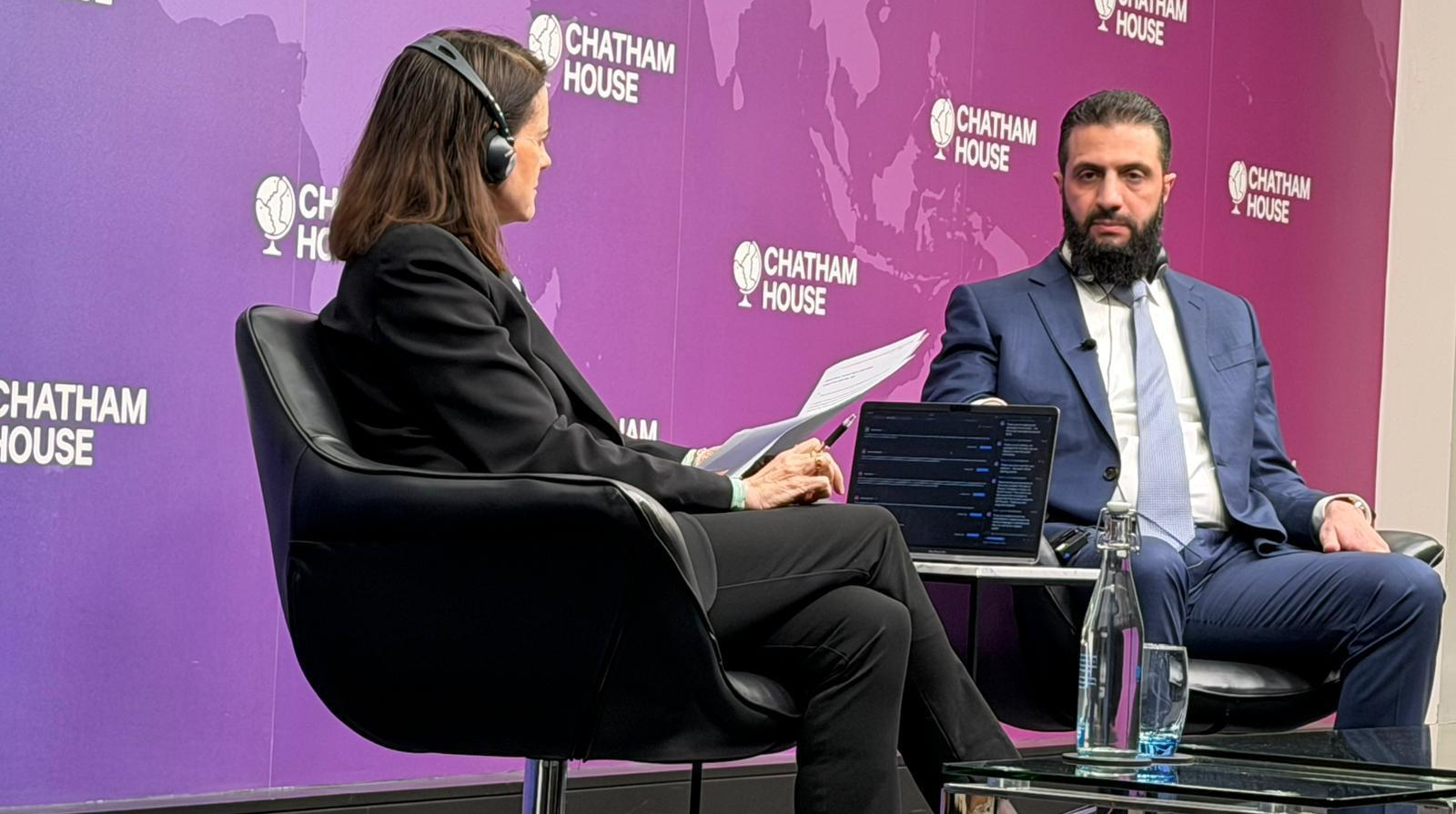
Syrian President Ahmad al-Sharaa has firmly stated that his administration is making every possible effort to keep the nation out of the escalating regional war involving the United States, Israel, and Iran. Speaking at the Chatham House think tank in London, al-Sharaa emphasized that Damascus has severed official communications with Tehran since the current hostilities erupted.
According to reports from the Anadolu agency, the Syrian leader acknowledged the severe risks looming over his country but stressed that his government is meticulously avoiding actions that could provoke any of the warring factions. He painted a grim picture of the current Middle Eastern landscape, noting that the region is currently driven by "anger, emotional reactions, and unpredictable political decisions" rather than wisdom.
A Cautious Approach Amid Regional Chaos
Al-Sharaa pointed out that this volatile dynamic has already dragged several previously neutral nations, including Gulf states, into the fray. To shield its citizens from further devastation, the Syrian government is carefully calculating every diplomatic and security maneuver.
"Iran has a problem due to attempts to produce ballistic missiles and a nuclear bomb, as well as attempts to influence other countries," al-Sharaa stated. "We recommend negotiations rather than military force, as this will lead to greater dangers."
Reaffirming his commitment to neutrality, he added: "If Syria does not become a direct target for any of the sides, it will remain out of any conflict. We've had enough of wars. We have paid a heavy price. We are not ready for another experience of war. No one is ready to join the war, and we will not participate in it unless we face aggression and if a diplomatic solution cannot be found."
Background: The Escalating Middle East Crisis
The devastating conflict traces back to February 28, 2026, when the United States and Israel launched a joint military campaign against Iran. The intense warfare has already claimed the lives of at least 1,340 people, most notably including Iran's Supreme Leader, Ali Khamenei.
In retaliation, Tehran has unleashed massive drone and missile barrages targeting Israel, Jordan, Iraq, and Gulf nations hosting American military bases. These retaliatory strikes have inflicted severe damage on critical infrastructure, resulted in numerous civilian casualties, and triggered significant disruptions across the global economy and international aviation networks.

We use cookies to improve your experience. Privacy Policy