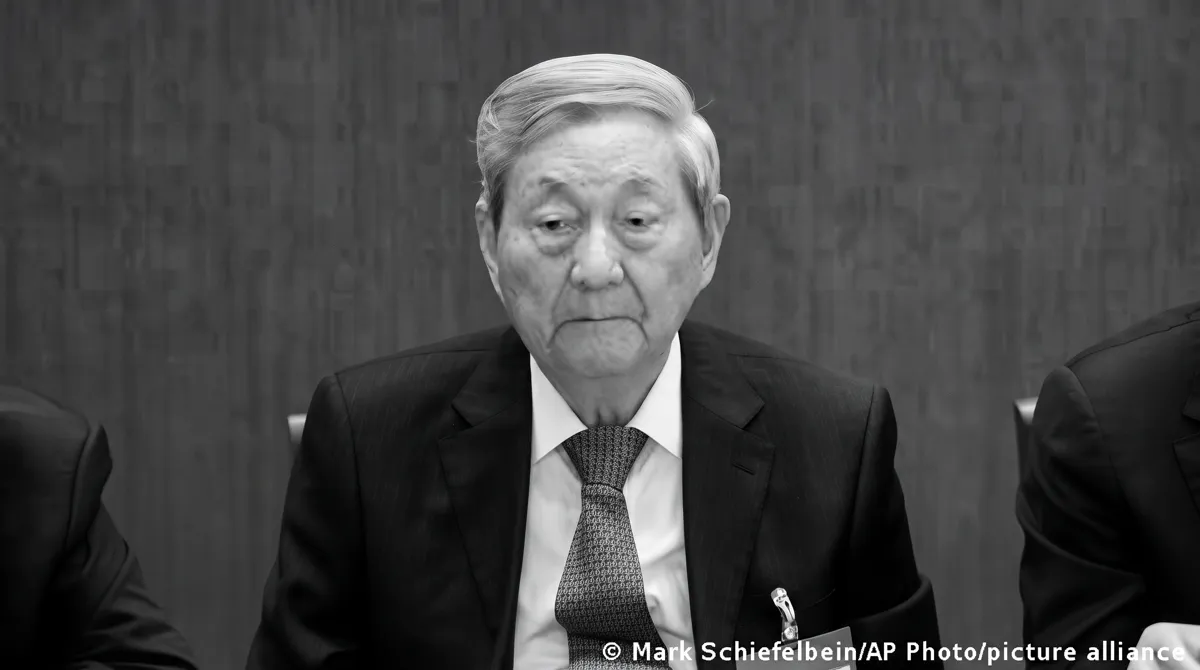
Zhu Rongji, China's Market Reformer, Dies at 97
Zhu Rongji, the Chinese Communist Party official who served as Premier of China from 1998 to 2003 and oversaw one of the most sweeping economic transformations in modern history, has died at the age of 97. His five years in office helped lay the foundation for China's rise to become the world's second-largest economy.
A Legacy of Market Reform
Zhu's time as premier was marked by a breathtaking pace of change. He privatised state-owned housing, restructured state enterprises, overhauled the government bureaucracy, and reformed the banking and financial sectors. His greatest diplomatic achievement was steering China's entry into the World Trade Organization in 2001, opening Chinese markets to global competition and integrating the country more deeply into the world economy.
Known for his impatience and directness, Zhu had little time for small talk and drove straight to the point. Millions of workers lost their jobs as state enterprises were restructured, but the reforms he pushed through created the infrastructure for extraordinary growth in the decades that followed.
A Political Career Shaped by Adversity
Zhu's path to power was not smooth. In the 1950s, under founder Mao Zedong, he was sent into rural exile as punishment for criticising Mao's economic policies and praising reforms in other communist countries. It was only after China's broader opening under Deng Xiaoping that Zhu's political career truly flourished.
Former US Secretary of State Henry Kissinger and German Chancellor Helmut Kohl both wrote prefaces to his 2015 book, reflecting the respect he commanded among global statesmen. His death marks the end of an era defined by bold economic experimentation that reshaped not only China but the entire global economy.