Australia Agrees to Sell Uranium to India, Ending Decades-Long Stalemate
Australia has agreed to sell uranium to India for peaceful civilian nuclear purposes, ending a long-standing diplomatic stalemate that had persisted for years over India's nuclear status.
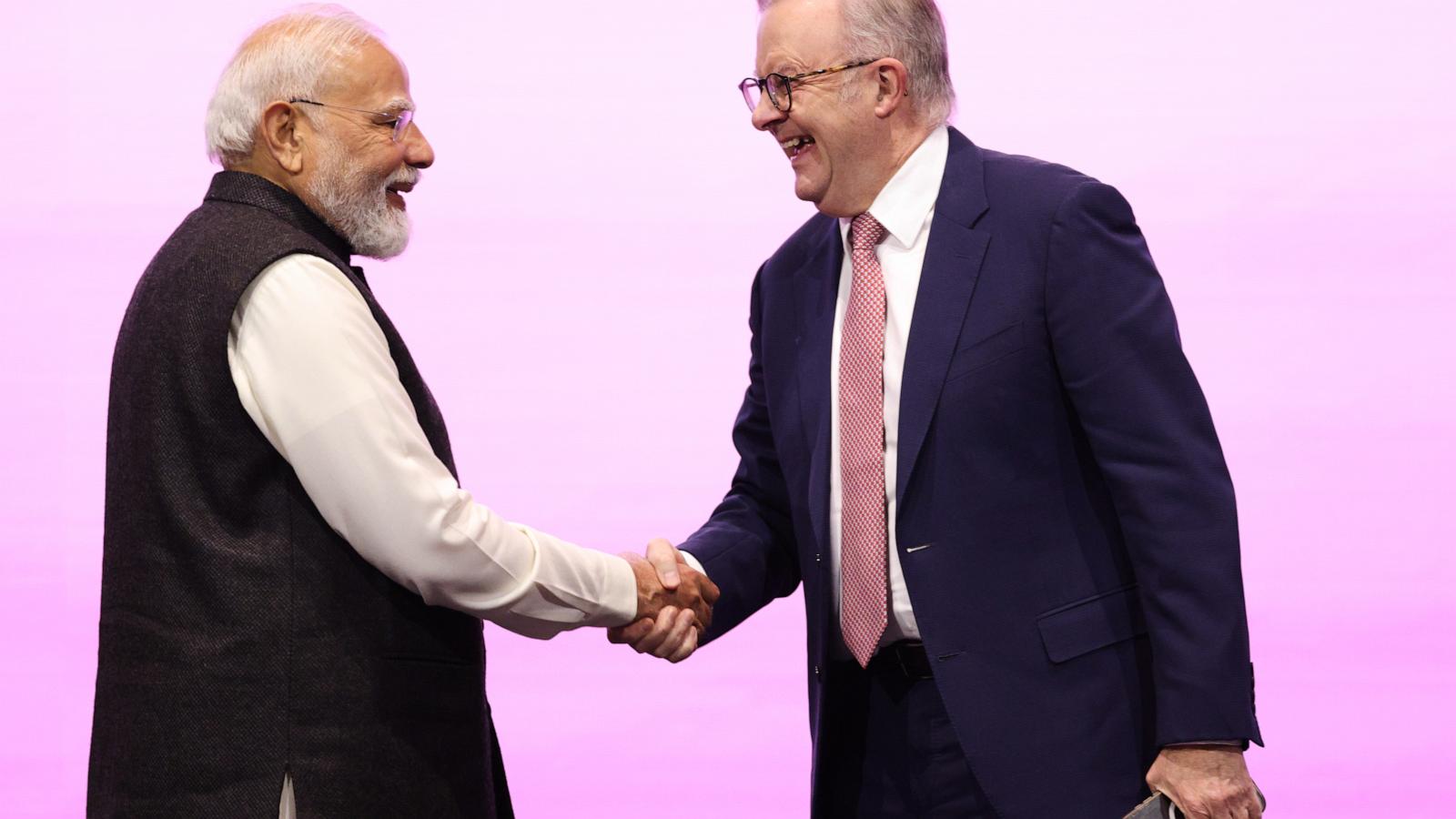
The deal was announced during Indian Prime Minister Narendra Modi's visit to Australia, where he met with Prime Minister Anthony Albanese. The two leaders signed a civil nuclear cooperation agreement that will allow Australian uranium to be used in India's civilian nuclear power plants.
Why the Stalemate Lasted So Long
The key stumbling block had been India's position outside the Nuclear Non-Proliferation Treaty (NPT). Most countries that sell uranium internationally insist buyers be NPT signatories, which India — a declared nuclear weapons state — is not. India maintains that it has a responsible nuclear record and should not be penalized for a treaty it was never part of.
Australia was one of the last major uranium suppliers to hold out. Canada and the United States had already reached similar agreements with India following a landmark 2008 waiver granted by the Nuclear Suppliers Group (NSG). The new Australian deal follows a similar model, requiring India to maintain its civilian nuclear safeguards regime overseen by the International Atomic Energy Agency (IAEA).
Strategic Significance
Beyond the commercial dimension, the agreement carries significant strategic weight. Australia and India are both members of the Quad security grouping alongside the United States and Japan, which has deepened Indo-Pacific cooperation in response to China's growing influence in the region.
Energy analysts say India's civilian nuclear sector is set to expand rapidly. The country aims to have 100 gigawatts of nuclear power capacity by 2047, up from about 7 gigawatts today. Australian uranium exports will help fuel that expansion, which India frames as both an economic and climate priority.
"This is a win for clean energy cooperation between two democracies that share values and strategic interests," said one senior Australian official, speaking on background. Environmental groups in Australia had long opposed the sale, citing concerns about India's separation of civilian and military nuclear programs, but the government said IAEA safeguards provided adequate reassurance.

We use cookies to improve your experience. Privacy Policy