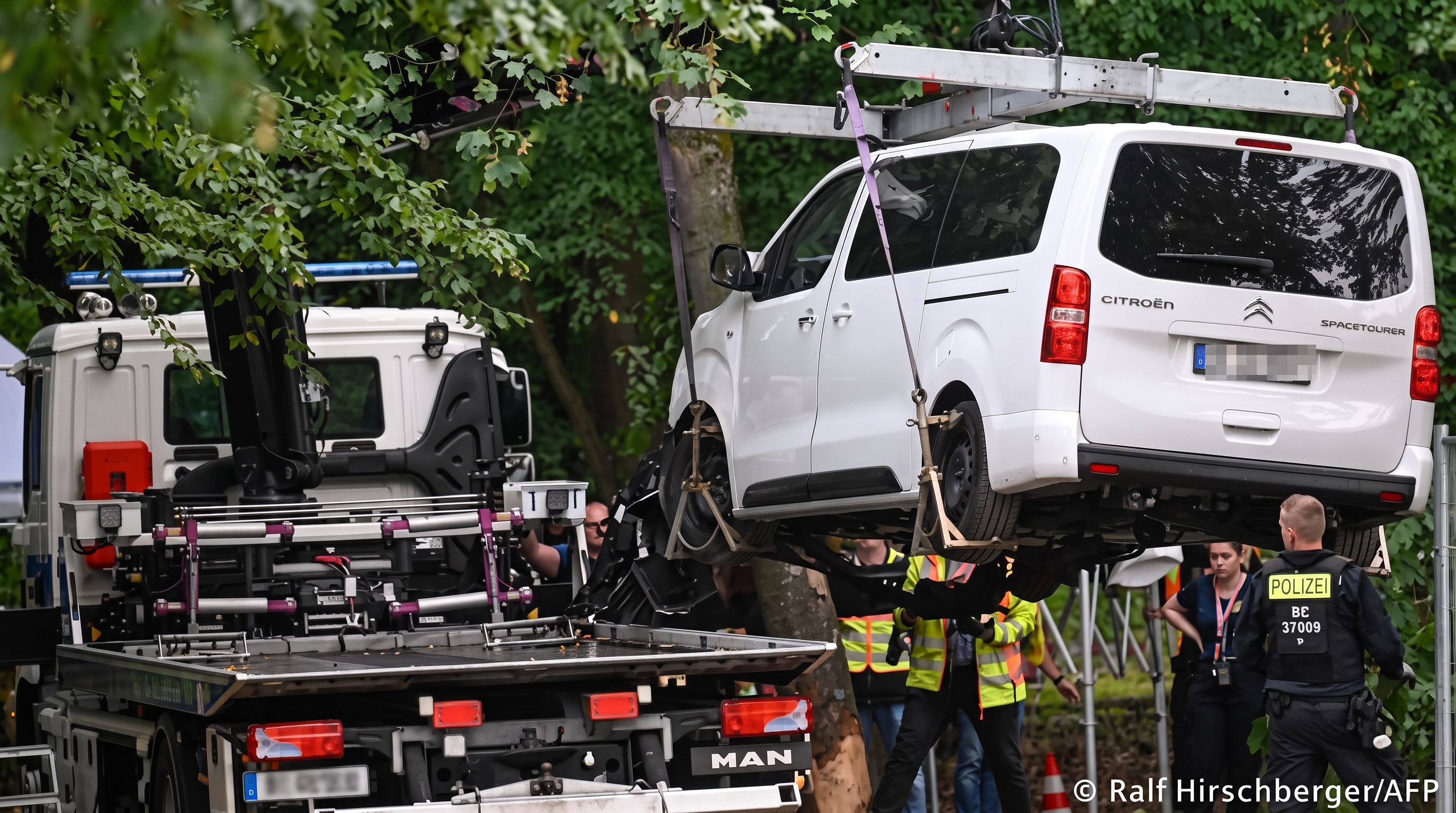
Berlin CSD Attack: Germany Debates Deradicalization After Islamist Terror
Germany is gripped by a national debate on preventing Islamist radicalization following Saturday deadly attack on Berlin Christopher Street Day parade. The 21-year-old suspect, Abdul B., was shot dead by police on Monday after being tracked to an allotment area. Police confirmed he had attended two preliminary meetings at a Berlin deradicalization program in June and July, just weeks before the attack.
Why the Attacker Slipped Through
The organization Violence Prevention Network told media that Abdul B. did not appear to genuinely want to leave the Islamist scene and would not have been accepted into its full program. The NRW-based Aussteigerprogramm Islamismus (API), which has operated since 2014, explains its intake process: social workers assess each candidate and can only move forward if there is a clear desire to disengage.
API counselor Stefanie Adler told DW: if we do not see any intention to distance themselves, we have to say that deradicalization support is not possible at this time. Fellow counselor Viola Geiger added that successful deradicalization is a lengthy process involving weekly sessions that taper off over months and even years.
Youth Radicalization Moving Online
Both counselors noted a significant shift in recent years: the clients are getting younger, and radicalization increasingly happens through social media rather than physical networks like ISIS recruitment cells. Social media works like a radicalization amplifier, and much faster, Adler said.
In previous years, individuals would travel to Syria to join IS and return radicalized. Today, a teenager can absorb extremist content and become dangerous without ever leaving home. The Berlin attack has reignited calls in Germany for stricter monitoring of known Islamist threats and expanded funding for exit programs targeting younger at-risk populations.

We use cookies to improve your experience. Privacy Policy