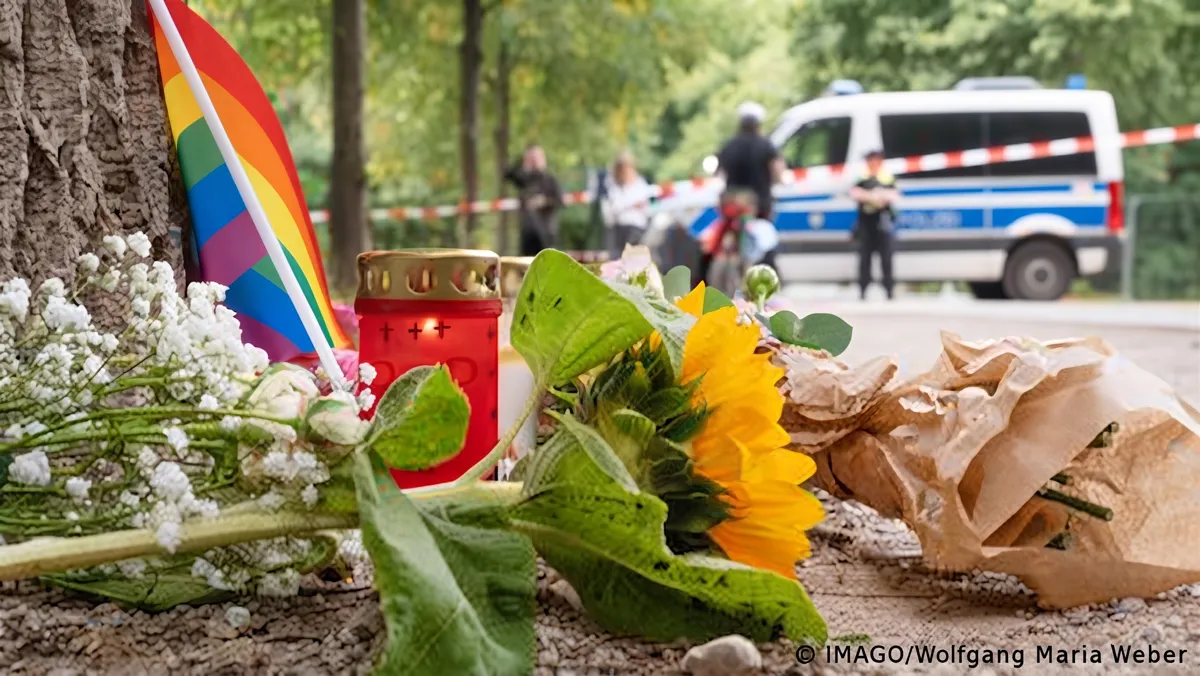
Berlin Pride Attack: Who Is Helping the Victims?
On July 25, 2026, Abdul Ballout drove a white van into a crowd near Berlin's Brandenburg Gate in the Tiergarten park, then attacked bystanders with a large knife during Christopher Street Day (CSD) Pride celebrations. The assault killed a 65-year-old Polish woman and left more than 30 others injured — some with severe bone fractures and deep lacerations treated at Berlin's Charité hospital. Ballout, described as having links to Islamist extremism, was shot dead by police while fleeing the following day. Weeks later, what support are the survivors receiving?
Victims Protected by Privacy Laws
Germany's strict data protection rules mean that almost nothing is known publicly about the victims' identities or their current condition. Berlin's Governing Mayor disclosed only the nationality and age of the woman who was killed. The Federal Government Commissioner for Victims of Terrorism and Extremist Violence, Roland Weber, has visited some of the injured in hospital, but notes that victims may speak to the media at any time if they choose.
Julia Kühne, spokesperson for the Organisation for Victims of Terrorism (VOT), told DW that survivors in Germany are often reluctant to come forward publicly. She argued that perpetrators should receive less media coverage once apprehended: the focus should shift to those who were harmed.
What Support Is Available?
Victims of terrorist attacks in Germany are entitled to psychological counselling, medical support, legal advice, and in many cases financial compensation. The VOT and the Federal Victims Commissioner act as guides through what can be a complex bureaucratic system. International victims — like the Polish woman's family — can also access support, though navigating the process from abroad adds an additional burden.
The CSD attack has sparked renewed debate about how Germany supports terrorism victims in the long term and whether perpetrators receive disproportionate media attention compared to those they harm.