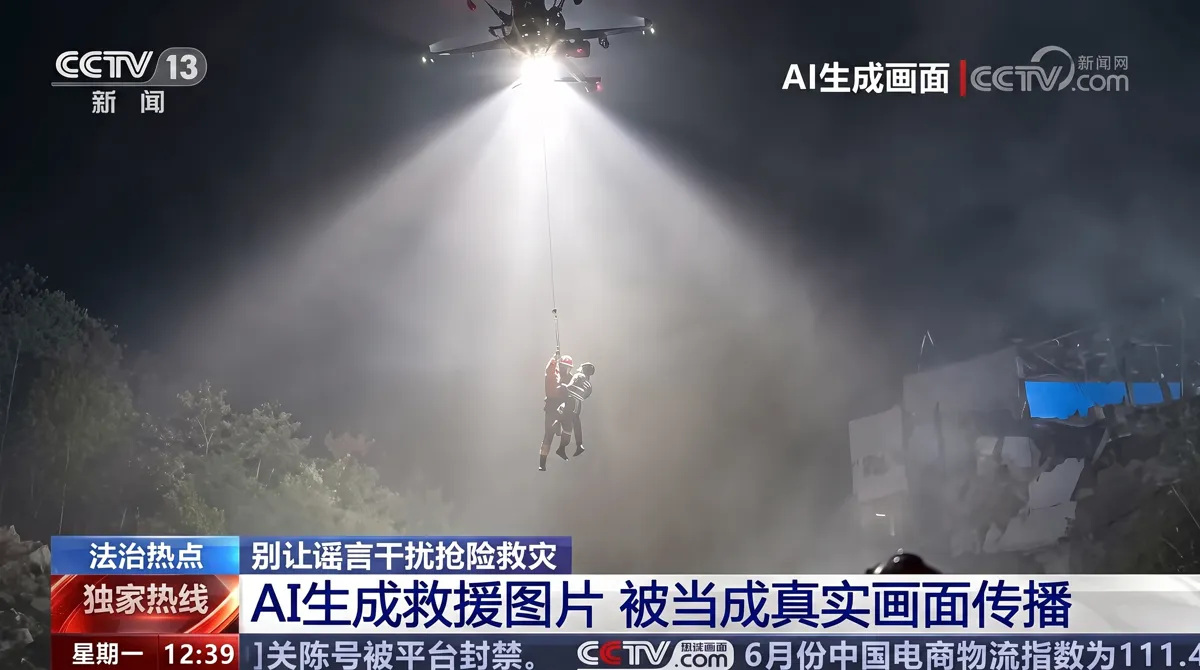
China Battles Fake AI Videos After Natural Disasters
Natural disasters including storms and flooding incidents across China in recent months have given rise to a new form of disinformation: highly realistic AI-generated fake videos that flood social media platforms in the immediate aftermath of catastrophes. The phenomenon poses a serious challenge to authorities trying to manage public information and maintain calm during emergencies.
AI-Generated Disaster Content
When major weather events or floods strike in China, within hours social media users encounter fabricated videos purporting to show damage, casualties, or rescue scenes that never happened. The videos, created using generative AI tools, can be indistinguishable from genuine footage to the untrained eye.
The rapid spread of such content can cause public panic, interfere with emergency response efforts, and undermine trust in official communications about disaster severity and relief operations.
The Scale of the Problem
BBC reporting reveals that during several recent flooding events in China, fake AI videos inundated platforms like Weibo and WeChat. Some clips showed entirely fabricated collapsed buildings or rescue operations in locations that were not actually affected, causing unnecessary alarm among residents.
People shared these videos in good faith, not knowing they were fake. The harm comes not just from the content, but from the erosion of trust in what we see online, said one disinformation researcher.
Response and Regulation
Chinese authorities have been moving to regulate AI-generated content, requiring labels on synthetic media. However, enforcement remains challenging at scale, particularly during fast-moving disaster situations when content spreads faster than it can be reviewed.