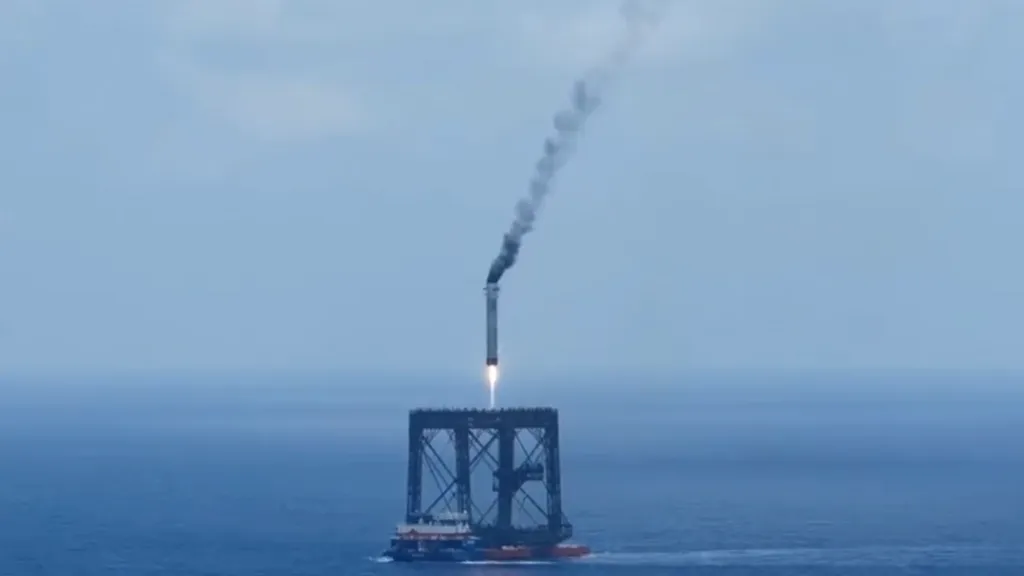
China Lands Reusable Rocket for the First Time
China has successfully landed a reusable rocket for the first time, state media reported on Friday, marking a historic milestone in the country's space programme and placing it among the select group of nations and companies capable of recovering orbital-class boosters.
Following in SpaceX and Blue Origin's Footsteps
The achievement follows similar vertical landing demonstrations by US companies SpaceX — which has performed hundreds of such recoveries with its Falcon 9 and Falcon Heavy boosters — and Blue Origin, which pioneered the technique with its New Shepard vehicle. China's successful landing signals the maturation of its commercial and state space sectors, which have accelerated rapidly in recent years.
Why Reusable Rockets Matter
Reusable rockets dramatically reduce the cost of reaching orbit by allowing the most expensive component — the booster — to be flown, recovered, and relaunched multiple times rather than discarded after a single flight. This principle has transformed the global space industry, enabling more frequent launches at lower per-mission costs and opening access to orbit for a wider range of payloads and customers.
China's Growing Space Ambitions
The landing is the latest in a string of high-profile achievements by China's space programme, which has in recent years landed robotic missions on the Moon and Mars, launched its own space station, and pursued ambitious plans for crewed lunar exploration. The development of a reusable launch vehicle gives China a critical tool for achieving cost parity with commercial Western launch providers and competing in the growing satellite deployment market.