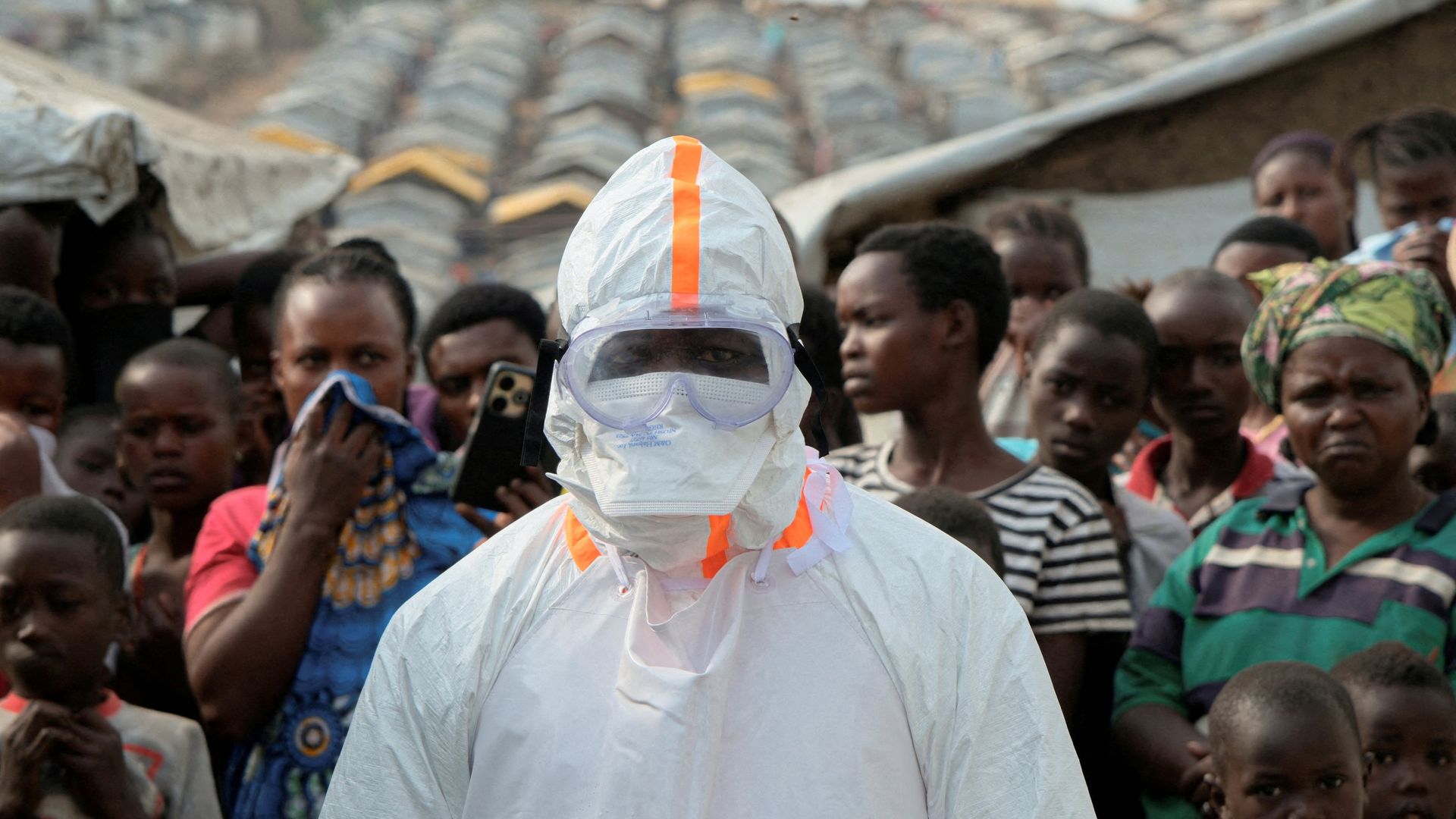
DRC Ebola Outbreak Tops 3,000 Cases — Fastest-Growing in History
The Democratic Republic of Congo is battling what has become the fastest-growing Ebola outbreak in recorded history, with confirmed cases surpassing 3,000 and deaths exceeding 1,350 since the outbreak was declared on May 15, 2026. The crisis is compounding existing humanitarian pressures in a country already straining under the weight of armed conflict, displacement, and poverty.
The Numbers: A Record-Breaking Escalation
As of the latest official figures, the DRC's health authorities have recorded 3,075 confirmed cases, 1,354 deaths, and 556 recoveries, with approximately 755 patients currently hospitalised or in isolation. The pace of the outbreak has been alarming: cases surged by roughly 1,000 in just ten days, and the epidemic passed the 2,000-case milestone as recently as July 15. No previous Ebola outbreak has grown at this speed.
The outbreak is caused by the Bundibugyo strain of the Ebola virus — a variant for which there is currently no approved vaccine or treatment. This distinguishes the current crisis from more recent outbreaks caused by the Zaire strain, for which effective vaccines exist and have been deployed in previous outbreaks.
Geographic Spread and Containment Challenges
The outbreak is affecting five provinces: Ituri, North Kivu, South Kivu, Haut-Uele, and Tshopo. Nearly 90 percent of cases have been concentrated in the northeastern province of Ituri, which shares borders with South Sudan and Uganda — raising fears of cross-border spread. The World Health Organization has warned that porous borders, ongoing armed conflict in the region, and significant population displacement are all creating conditions that make containment exceptionally difficult.
Adding to the crisis, health workers in affected areas went on strike this week, citing lack of protective equipment, unpaid salaries, and inadequate support from national and international health bodies. The strike has temporarily disrupted response operations at several treatment centres, with humanitarian organizations calling on the government and international donors to immediately address the workers' concerns.
International Response and Outlook
The WHO has classified the outbreak as a Public Health Emergency of International Concern. Several international partners, including UNICEF, Médecins Sans Frontières, and the US Centers for Disease Control, have deployed personnel and resources to the affected regions. Experimental treatments are being administered under compassionate use protocols, but the absence of an approved vaccine against the Bundibugyo strain is a significant constraint.
- 3,075 confirmed cases, 1,354 deaths, 556 recoveries as of late July
- Caused by Bundibugyo Ebola strain — no approved vaccine exists
- Five provinces affected; 90% of cases in Ituri
- Cases grew by ~1,000 in just 10 days — fastest outbreak in history
- Health workers on strike, disrupting response operations
- WHO has declared a Public Health Emergency of International Concern
Epidemiologists have warned that the outbreak shows no signs of slowing and that without significant additional investment in healthcare infrastructure, containment measures, and community engagement, the case count could continue to rise rapidly. The international community faces an urgent test of its ability to respond to a major health emergency unfolding in one of the world's most conflict-affected regions.

We use cookies to improve your experience. Privacy Policy