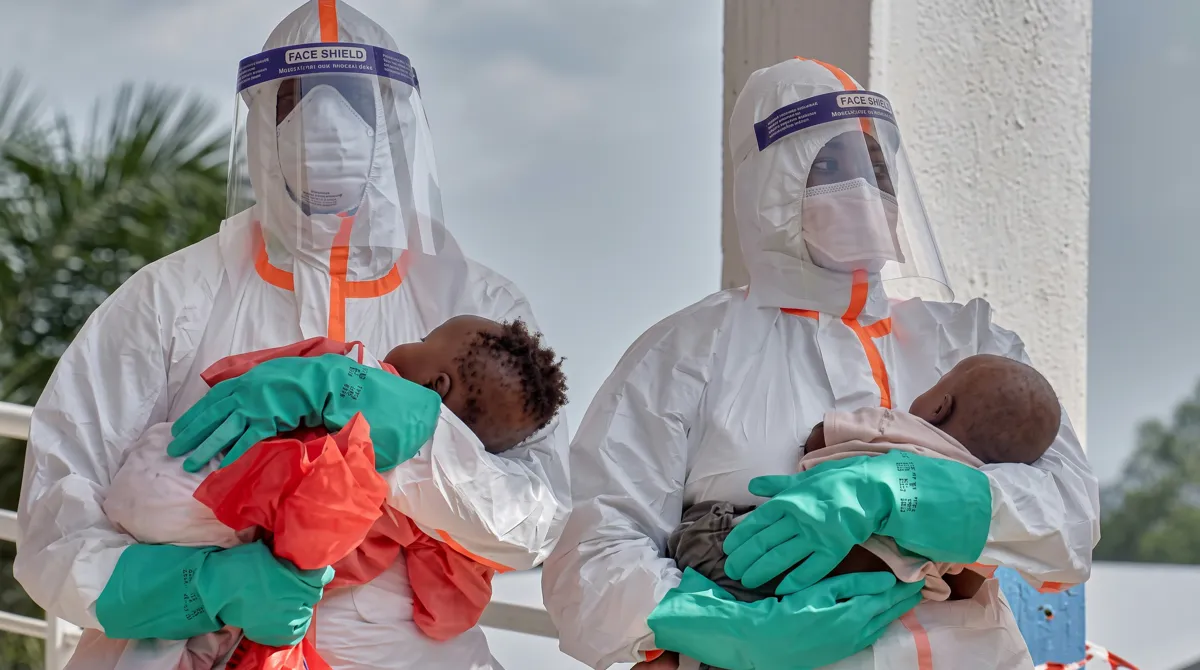
Ebola Outbreak: Children Die at 60% Rate as Drug Trials Exclude the Youngest
The ongoing Ebola outbreak in the Democratic Republic of Congo (DRC) has killed more than 3,000 people since it began in mid-May, with over 6,100 confirmed infections. Among all affected groups, children under five are bearing a disproportionate share of the deaths — the mortality rate for this age group exceeds 60%, according to data cited in a recent commentary in The Lancet by Médecins Sans Frontières (MSF).
Drug Trials Exclude the Youngest
At the heart of the crisis is a research gap. The ongoing EBO-PEP study, which since mid-July has been testing the antiviral drug Obeldesivir as a post-exposure prophylaxis to prevent infection after high-risk contact with the Bundibugyo Ebola virus strain responsible for this outbreak, originally excluded all children weighing under 30 kilograms — roughly those aged 12 or younger. A planned protocol amendment would extend inclusion to children above 20 kilograms. But children under 20 kilograms — approximately six years old and younger — remain excluded, and are offered instead a ten-day course of intravenous Remdesivir, which MSF argues is practically impossible to administer during an active outbreak.
Why Children Die More
According to Neal Russell, MSF's pediatric adviser and lead author of the Lancet commentary, young children face a higher risk of death from Ebola for several reasons: their immune systems are still developing, they may carry co-occurring illnesses, and providing supportive care in treatment centres is particularly challenging with small children who cannot always be accompanied by parents. Early symptoms also look similar to other common childhood illnesses, making timely diagnosis harder.
MSF is demanding that children be placed at the centre of Ebola treatment and prevention research. The organisation argues that the medical research infrastructure has systematically failed the most vulnerable patients in this outbreak, and calls for urgent corrective action.