Why Cancer Cases Are Rising Among People Under 50
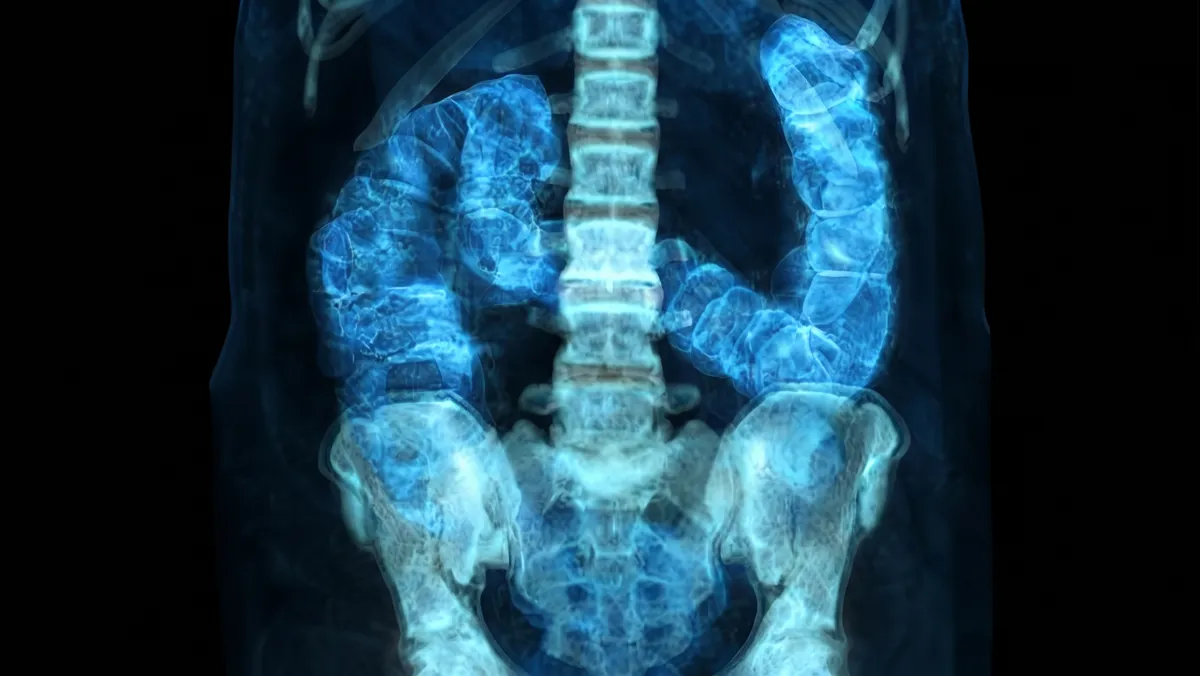
Cancer is increasingly being diagnosed in younger adults worldwide, a trend that has alarmed oncologists and public health experts. Colorectal cancer in particular is rising sharply among people under 50, with rates in many countries having doubled over the past two decades. Deutsche Welle reports on the current state of research into this phenomenon.
The Global Trend
Data from cancer registries across Europe, North America, Australia, and parts of Asia show a consistent upward trajectory in early-onset cancer diagnoses. While overall cancer mortality has declined due to better treatments and screening, new diagnoses among the under-50 age group are moving in the opposite direction.
Colorectal cancer has seen the most pronounced rise, but researchers also note increases in breast, thyroid, and certain gastrointestinal cancers among younger adults.
Possible Causes
Scientists are investigating a range of potential factors. Dietary changes over recent decades — including greater consumption of processed foods, red meat, and sugar — are frequently cited. These dietary shifts are accompanied by rising obesity rates and decreased physical activity, both of which are established cancer risk factors.
One area attracting growing scientific attention is the gut microbiome. Changes in the composition of intestinal bacteria — driven by diet, antibiotic use, and other lifestyle factors — may play a role in increasing cancer susceptibility, particularly for colorectal cancer.
Environmental exposures are also under scrutiny. Researchers are examining the possible roles of microplastics, endocrine-disrupting chemicals, air pollution, and other environmental contaminants whose prevalence has increased in recent decades.
Implications for Screening
Many countries have traditionally started routine colorectal cancer screening at age 45 or 50. The rising incidence among younger adults is prompting medical societies to reconsider screening age thresholds. The United States lowered its recommended screening start age to 45 in 2021, and European guidelines are under review.
Experts emphasize that awareness of symptoms — rectal bleeding, changes in bowel habits, unexplained weight loss, abdominal pain — is crucial, since younger patients are often diagnosed at later stages because both they and their doctors may not consider cancer likely at a young age.