Electronic Implant Burns Off Blood Sugar Without Drugs in Mice
An implant with no drugs, cells or enzymes can remove excess sugar from the blood of mice with type 2 diabetes, researchers report. The work by teams at ETH Zurich, the University of Basel and the University of Lyon was published on October 22 in Science, led by Martin Fussenegger. So far it has been tested only in mice and on the bench.
How the device works
The device, called ECHO (electrocatalytic closed-loop health optimization), is powered wirelessly at 13.56 MHz. Its catalyst is platinum-decorated gold nanoclusters embedded in graphite felt. When switched on, the catalyst oxidises glucose in the blood to gluconate, which the kidneys clear and the body excretes in urine. The electronics sit in a 3D-printed casing.
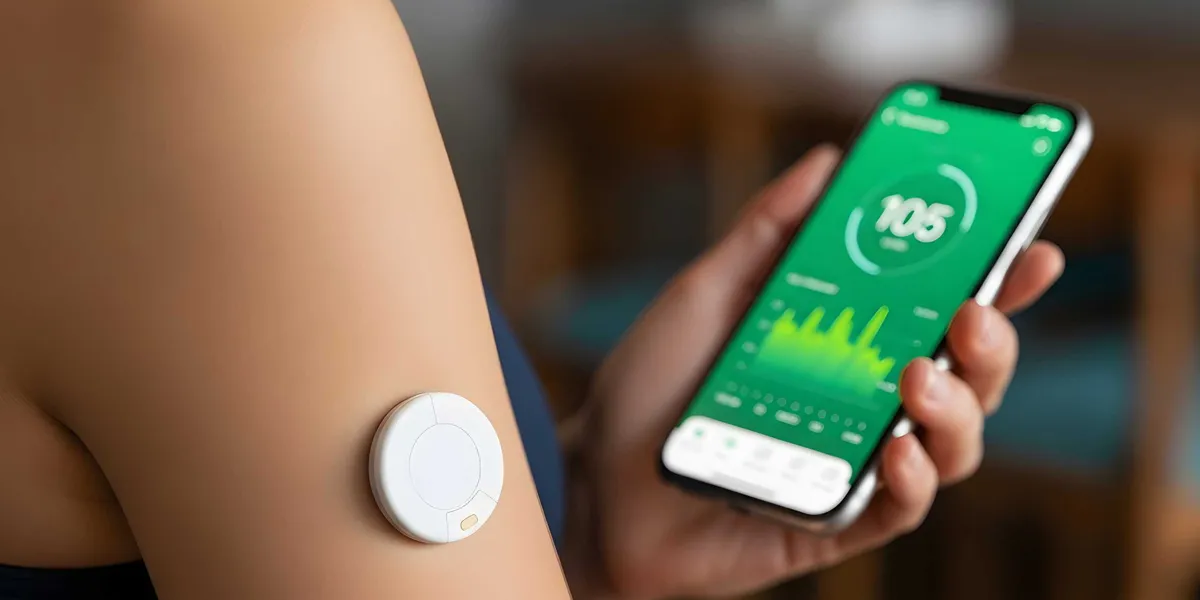
The implant is controlled in a closed loop. According to ETH, a commercial continuous glucose sensor signals a smartphone or smartwatch via Bluetooth, which switches the catalyst on when glucose is too high; the device switches itself off once the target level is reached. In the mice the system ran at 0.75 volts and 10 milliamperes. In a bench test, the catalyst converted glucose in a 5-litre nutrient solution, which ETH describes as roughly the volume of human blood.
What happened in mice
In mice with type 2 diabetes, glucose control was restored within one hour. Metabolism shifted from burning glucose to burning lipids: body weight and triglycerides fell, while circulating free fatty acids and ketone bodies rose. Over 6 weeks of treatment the researchers saw no detectable hypoglycaemia (dangerously low blood sugar) and no adverse physiological, inflammatory or behavioural effects.
The paper frames the condition as "diabesity", type 2 diabetes together with obesity, which it says affects more than 2.5 billion people worldwide and costs nearly $3 trillion a year.
"For decades, we have treated diabetes by telling the body how to manage glucose. We are now showing that we can take control of glucose directly, using electronics rather than drugs." — Martin Fussenegger, ETH Zurich
Fussenegger said the system operates at a very low voltage and that experiments showed no evidence of tissue damage from electrical or thermal effects, and that the catalyst only activates when glucose is too high.
Caveats
ETH states that the team has not yet tested the device on humans. The treatment lasted 6 weeks in mice. Fussenegger told Live Science that tests in more laboratory animals come next, followed by humans. More in our Health section.