Europe Marks Roma Holocaust Memorial Day as Antiziganism Remains a Threat
August 2 marks the European Holocaust Memorial Day for Roma and Sinti, commemorating the murder of approximately 500,000 people during the Nazi genocide. The date refers to the night of August 2–3, 1944, when German National Socialists killed thousands of Roma and Sinti imprisoned in the so-called "Gypsy Camp" at Auschwitz-Birkenau — gassing, shooting, and beating them.
The commemoration, observed annually in Auschwitz and in countries across Central and Southeast Europe, has gradually won wider official recognition. Since 2015, following a European Parliament initiative, the day has been formally marked by governments across the EU.
A Long Road to Recognition
It took decades for Germany to formally recognize the Nazi genocide of Roma and Sinti as such. The first public commemoration organized by Roma groups took place on August 2, 1994, at the Auschwitz-Birkenau memorial in Poland, during a larger ceremony that marked the 50th anniversary of the camp's liquidation.
In Poland, where around 30,000 Roma live today, August 2 has been an official day of remembrance since 2011. Government and parliamentary representatives regularly travel to Auschwitz for the occasion. A separate remembrance ceremony is also held annually in the village of Szczurowa near Kraków, commemorating a German massacre of Polish Roma in 1943 — the site of the first Roma memorial in Europe, erected in 1956.
Remembrance and Warning Against Antiziganism
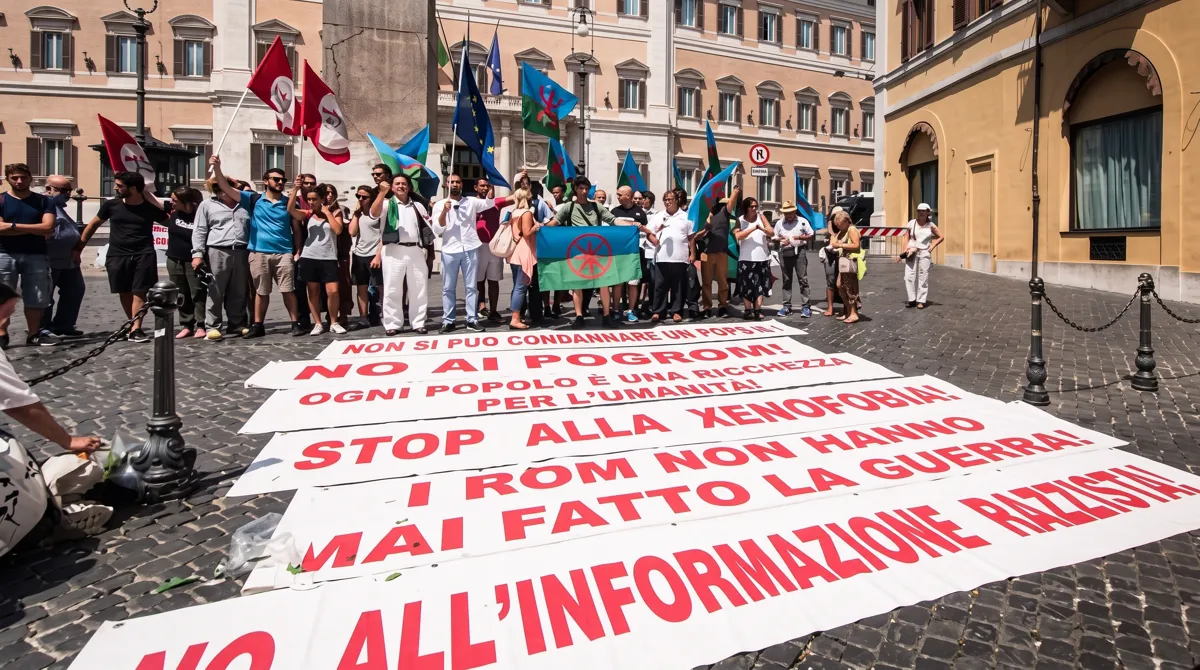
In several countries of the region, official commemorations also serve as a platform to address contemporary antiziganism — discrimination, prejudice, and violence against Roma people — and warn against its resurgence. Rights organizations note that discrimination against Roma communities remains widespread across Europe despite decades of anti-discrimination legislation.