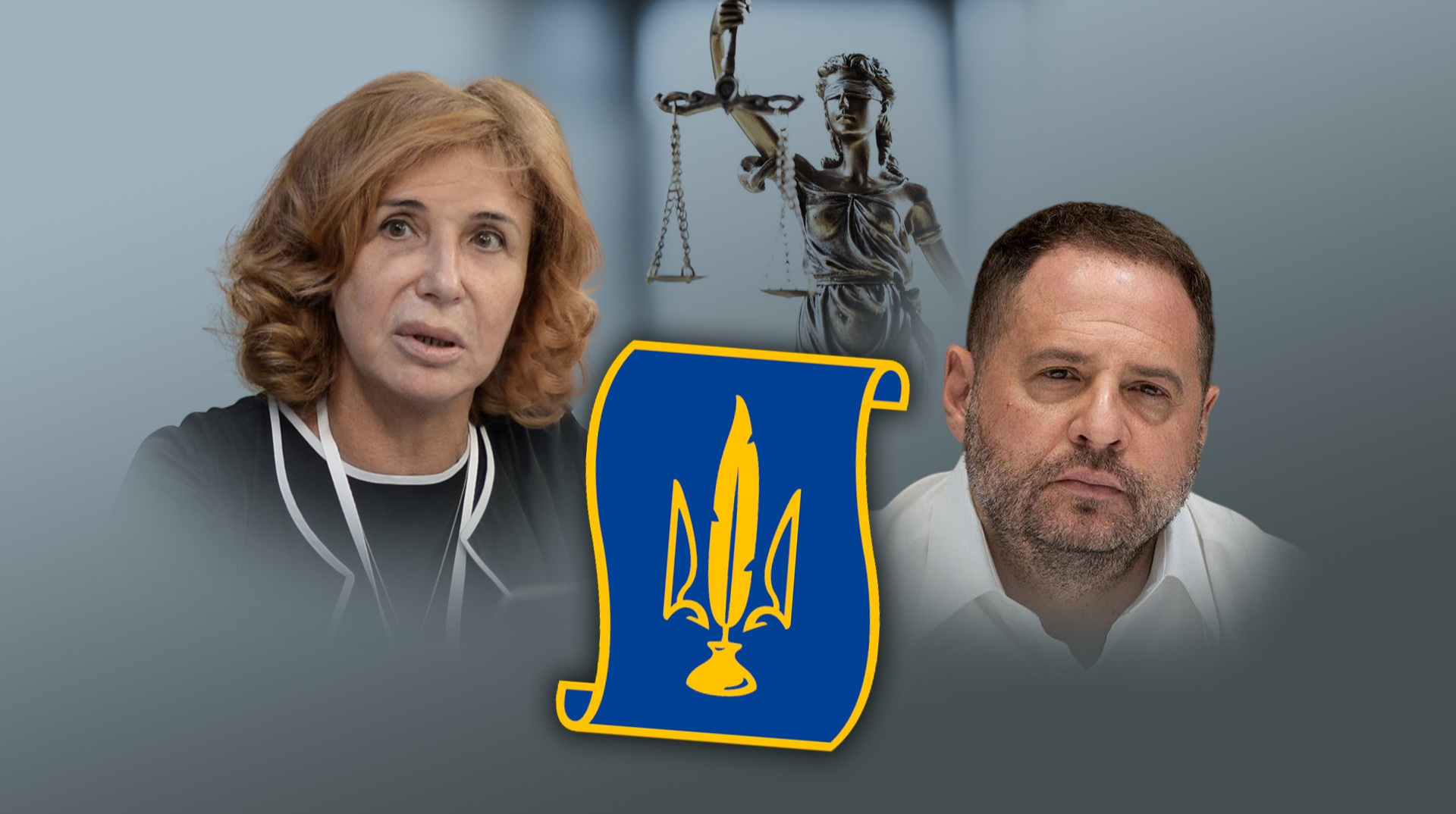
Former Presidential Chief of Staff Andriy Yermak Takes Strategic Role in Ukraine's Bar Association
In early March 2026, Andriy Yermak, the former Head of the Ukrainian Presidential Office, resurfaced in the public sphere with a strategic new role. By a special directive from Lidiya Izovitova, the long-standing head of the National Bar Association of Ukraine (UNBA), Yermak was appointed to lead a newly established committee dedicated to protecting victims of armed aggression against Ukraine.
In this capacity, the former presidential chief of staff is tasked with finding avenues to assist former prisoners of war, internally displaced persons (IDPs), and citizens whose homes were destroyed by Russian attacks. However, his appointment has prompted widespread speculation within the legal community regarding his ultimate ambitions and the current state of the UNBA.
Yermak’s Strategic Ambitions
According to sources within the legal community, Yermak has already begun active work. Insiders suggest his influence may extend to shaping the working group responsible for drafting a new law on the legal profession. Furthermore, Serhiy Osyka, a member of the Bar Council of Ukraine, noted circulating rumors that Yermak is aiming for a seat on the High Council of Justice.
The Queen of the Bar and an Iron Grip
Understanding Yermak's move requires looking at the current landscape of the UNBA. The association is the central governing body for Ukraine’s legal profession. Since a 2016 constitutional amendment established a lawyer monopoly—mandating that only licensed attorneys can represent clients in court—the power to issue or revoke licenses has become absolute. Today, the UNBA oversees more than 70,000 lawyers, a number that has doubled over the past decade.
For 14 consecutive years, the organization has been led by Lidiya Izovitova, who automatically serves as the head of the Bar Council of Ukraine. Although the law limits the chairperson to two consecutive five-year terms, and her second term officially expired in 2022 following the 2017 elections, Izovitova has refused to convene a congress to elect a successor, citing security concerns under martial law.
Speaking anonymously, more than ten lawyers informed journalists that any criticism of Izovitova carries the severe risk of license revocation, effectively ending their careers. According to lawyer Ilya Kostin, Izovitova's rise was historically backed by Viktor Medvedchuk. "For the bar leadership, Medvedchuk had a special status. He was 'lawyer number one,' as he held certificate number one, which he received in 1994," Kostin explained.
Historical Context: From State Control to Monopoly
Prior to Izovitova’s ascent in 2012, the bar's self-governance was heavily intertwined with the state. Regional Qualification and Disciplinary Commissions of the Bar (KDKA) included local council and Ministry of Justice representatives, while the Higher Qualification Commission operated under the Cabinet of Ministers.
Following demands from the Council of Europe for genuine self-governance, a new law was passed in 2012, establishing the UNBA. This legislation was heavily pushed by Andriy Portnov, then-deputy head of Viktor Yanukovych's presidential administration. As lawyer and former head of the Kyiv Bar Council Inna Rafalska noted, Portnov "didn't finish" the law, leaving structural gaps that have shaped the current system.
Attempts by the press to reach the UNBA, Yermak, and Izovitova for official comments regarding these developments have so far gone unanswered.

We use cookies to improve your experience. Privacy Policy