NHS Launches Two-Hour Genomic Test to Diagnose Brain Tumours
Britain's National Health Service has deployed a groundbreaking genomic test that can diagnose brain tumours in just two hours, revolutionising a process that previously took up to eight weeks and enabling surgeons to identify the precise type of tumour while still operating on the patient.
The test works by analysing the genetic code of a tumour sample taken during surgery. Because different brain tumour types require significantly different treatment approaches, knowing the exact molecular profile before the patient leaves the operating theatre can fundamentally change what happens next.
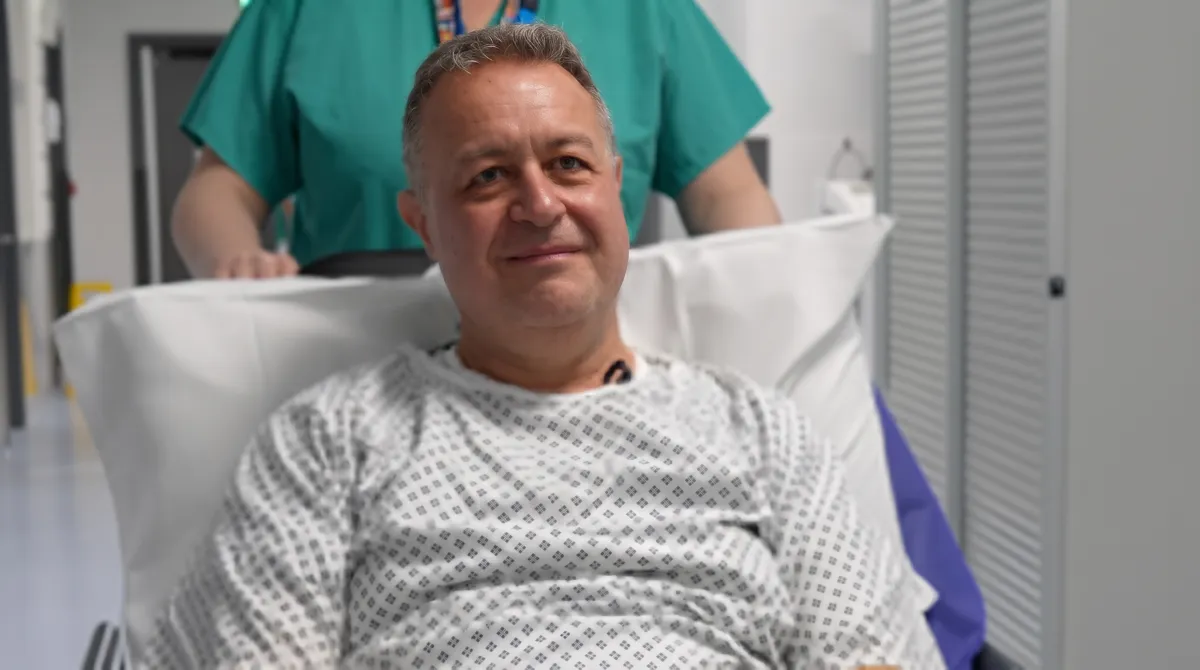
Steve Palmer, 55, from Nottingham, was among the first patients to benefit from the technology. Surgeons confirmed while still operating that he had a grade four glioblastoma — one of the most aggressive forms of brain cancer. He said the speed of the diagnosis spared him weeks of distressing uncertainty.
“Getting that quick diagnosis removed weeks of anxiety,” Palmer said.
Consultant neurosurgeon Stuart Smith described the scale of the change in stark terms. What had previously required six to eight weeks of molecular and genetic laboratory analysis can now be completed during the operation itself. “It seems almost magical,” he said. Brain tumours represent one of medicine's most complex diagnostic challenges: there are around 150 known subtypes, ranging from slow-growing benign masses to rapidly aggressive malignancies, each with different treatment protocols.
The practical impact extends well beyond emotional relief for patients. By identifying the molecular profile of a tumour while surgery is still under way, doctors can immediately begin planning the radiotherapy and chemotherapy regimens the patient will need. Starting that planning during surgery rather than waiting weeks for laboratory results could meaningfully improve outcomes for some patients.
The genomic test will be piloted at specialist NHS centres across England. If the programme demonstrates the expected benefits at scale, the technology could be rolled out more broadly across the health service, transforming how brain tumours are managed from diagnosis through to treatment.