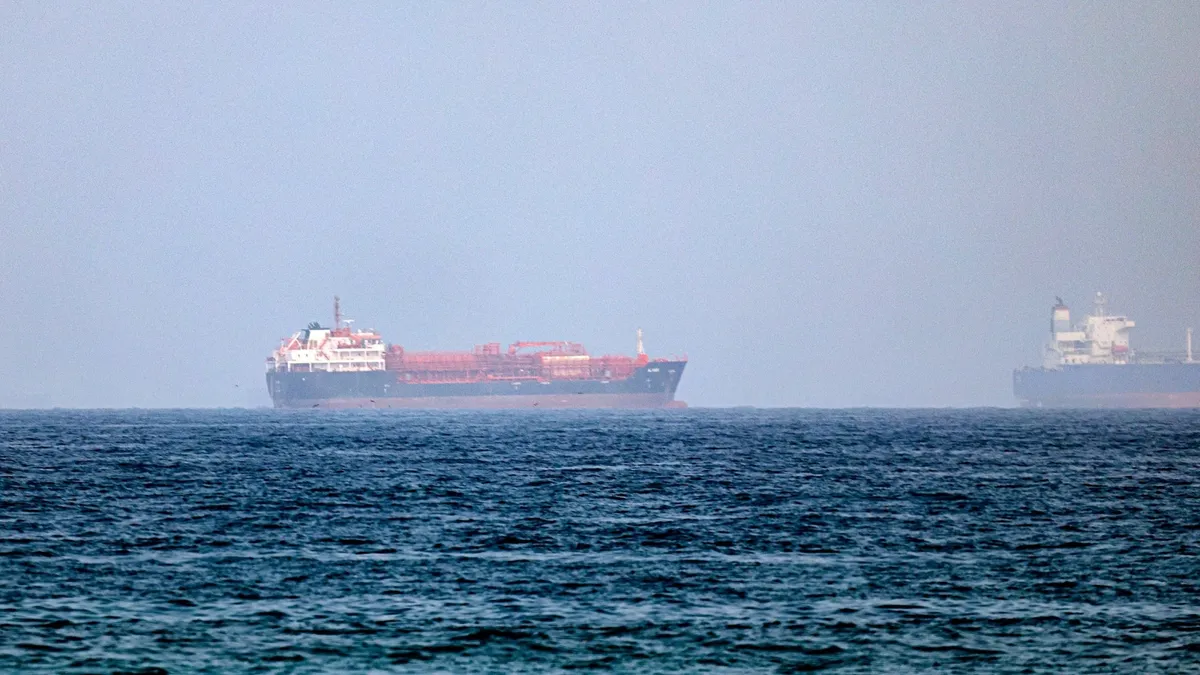
Oil Prices Cross $100 a Barrel as Iran War and Houthi Attacks Drive Surge
Global oil prices crossed the $100-per-barrel threshold on Thursday for the first time since May, after Houthi militants in Yemen claimed responsibility for striking two Saudi oil tankers in the Red Sea. The attack, combined with the continued exchange of military strikes between the United States and Iran, sent energy markets into a tailspin and drove fuel costs to new highs.
Brent Crude Climbs to $100.60
Brent crude futures, the international benchmark for oil trading, surged to $100.60 per barrel on Thursday afternoon — a rise of approximately 29% over the past month. That marks the highest price level since May 26 and represents what analysts have described as one of the largest oil shocks in modern history, stemming from the US-Iran war that erupted in late February.
Major US stock indexes fell sharply in response to surging energy costs. The Dow Jones Industrial Average dropped 525 points, or 1%, while the S&P 500 fell 1.2% and the technology-heavy Nasdaq declined 2.2%.
Americans Pay More Than $4 at the Pump
The ripple effects of rising crude prices are being felt directly by American drivers. The national average for a gallon of gasoline reached $4.09 on Thursday, according to the American Automobile Association (AAA), having already crossed the $4 mark earlier in the week.
Oil had briefly retreated last month when a preliminary ceasefire agreement between Washington and Tehran seemed within reach, bringing crude costs down to their lowest levels since before the war. A resumption of large-scale military operations, however, quickly reversed those gains.
Hormuz Blockade and Red Sea Threats
The Strait of Hormuz — the narrow maritime chokepoint through which approximately one-fifth of global oil supply passes — has experienced a sharp decline in shipping traffic since the conflict intensified. The United States reinstated its naval blockade of the Strait last week, reversing a key concession from the ceasefire framework, after Iran attacked tankers in the waterway.
Saudi Arabia relies on an overland pipeline that stretches across the country to the Red Sea as an alternative export route, bypassing the Strait. The Houthi missile and drone strikes against two Saudi tankers on Wednesday now threaten that corridor as well, raising fears of tighter global supply and further price increases for consumers around the world.