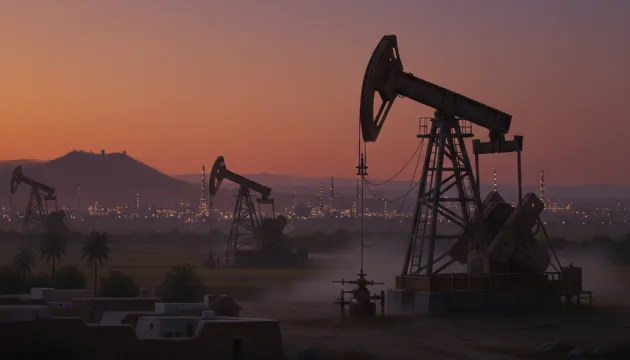
Oil Prices Slip as OPEC+ Agrees to Raise Output by 188,000 Barrels per Day
Global oil prices pulled back modestly on July 6 following the decision by OPEC+ — the alliance of major petroleum exporters — to increase collective output by 188,000 barrels per day beginning in August. Brent crude, the international benchmark, slipped $0.34 to trade around $71.78 per barrel, while US West Texas Intermediate (WTI) fell $0.20 to approximately $68.49 per barrel.
OPEC+ Decision and Rationale
The cartel's latest production adjustment continues a cautious easing of the supply cuts that were implemented in response to the economic slowdown that followed the COVID-19 pandemic and subsequent demand fluctuations. The 188,000-barrel-per-day increase adds to a cumulative unwinding of voluntary cuts that have kept prices elevated compared with pre-pandemic levels.
Market analysts pointed to two additional factors weighing on prices: the gradual recovery of Gulf state exports following the cessation of hostilities in the Iran-Israel conflict, and Russian crude oil exports running at record or near-record levels. Together, these supply-side factors are pushing global inventories higher and reducing the urgency of premium-priced purchases.
OPEC Production Trends
OPEC member states collectively increased their output in June by approximately 3.3 million barrels per day compared with the previous month, a surge partly attributable to renewed access to shipping lanes and export facilities that had been disrupted by regional tensions. The organisation has been navigating the twin pressures of wanting to maintain revenue for member governments while also keeping prices sufficiently attractive to prevent accelerated adoption of alternative energy sources.
Russia, which exports crude under a separate agreement within the OPEC+ framework, has maintained high export volumes despite Western sanctions by rerouting shipments to Asian buyers, primarily India and China. The persistence of Russian exports at elevated volumes has been a persistent source of tension within the cartel, as some Gulf producers feel their own restraint is subsidising Moscow's war revenues.
Market Outlook
Oil traders are also closely watching demand signals from major consuming economies. China's economic recovery has been more uneven than anticipated at the start of 2026, moderating expectations for a sharp upturn in Asian demand. US demand, meanwhile, has remained relatively steady but has not provided the upside price pressure that some producers had hoped for.
In the near term, analysts expect Brent to trade in a band between $68 and $75 per barrel, with the August OPEC+ output increase likely to keep a ceiling on significant price gains unless a major geopolitical disruption alters the supply picture.