Poland's 2027 Election Race Begins: Tusk Faces Right-Wing Resurgence as Ukraine Fades from Focus
Although Poland’s next parliamentary elections are not scheduled until the autumn of 2027, the political campaign has already unofficially kicked off. Strategic decisions in Warsaw are now being weighed heavily against their future electoral impact. The upcoming discourse is poised to be dominated by relations with the European Union and the United States, effectively sidelining debates regarding Ukraine and Ukrainian refugees amidst a backdrop of declining public sympathy toward them.
The Right-Wing Offensive and a New Champion
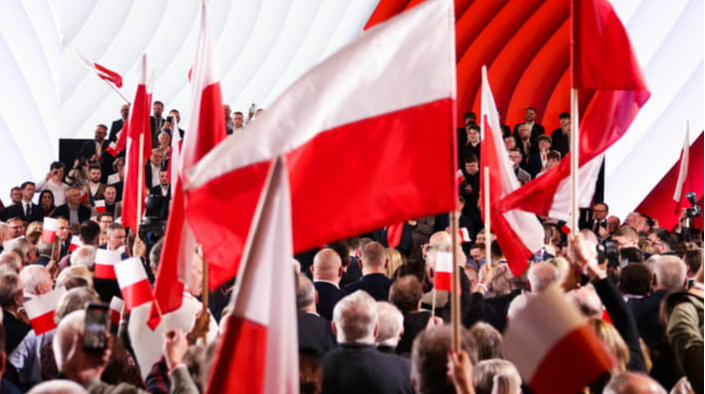
The conservative Law and Justice (PiS) party, which was ousted in 2023 after an eight-year rule, has made the first major move. In early March 2026, during a rally at a Krakow sports arena, PiS supporters chanted "We will win," as the party officially nominated Przemysław Czarnek as its prime ministerial candidate.
Czarnek, a former education minister and one of Jarosław Kaczyński’s 11 deputy chairmen, is a seasoned politician known for his staunch defense of Catholic values and vocal criticism of the LGBTQ+ community. The charismatic lawyer and media-savvy conservative embraced his new role with a bold declaration: "We are boarding this well-oiled, prepared high-speed train. I must be the driver who will lead it to Poland's victory."
This early nomination signals PiS's urgent need to reclaim its dominance on the right flank. Once commanding 40% of the electorate, PiS has seen its support erode. A recent IBRiS poll for Polsat News places PiS at 24.7%, losing ground to far-right factions like Confederation (13.6%) and the Confederation of the Polish Crown (8.2%).
Tusk's Lead and Coalition Vulnerabilities
On the other side of the aisle, Prime Minister Donald Tusk’s Civic Coalition (KO) maintains a comfortable lead with 31.1% support. Responding to Czarnek’s nomination, Tusk framed the upcoming battle as a fight against extremism: "So, there are three 'Confederations' against us. There is nothing to fear, but they cannot be underestimated. One thing is certain: in 2027, Poland will play all-in."
Tusk’s strategy relies on portraying the entire right wing as radical, positioning KO as the sole moderate alternative. However, after two and a half years in power, KO faces criticism for unfulfilled campaign promises, including stalled tax reforms, the lack of legalized same-sex partnerships, and the failure to lift the abortion ban.
The most pressing threat to Tusk, however, is the dismal polling of his junior coalition partners. The center-right Poland 2050 and the agrarian Polish People's Party (PSL) are currently polling below the 5% parliamentary threshold. Only The Left appears safe with 6.1%. This dynamic raises the real risk that even if KO wins, it may lack the numbers to form a majority. Consequently, KO is expected to increase pressure on its reluctant minor partners to run on a unified electoral list.
The Battle for Sovereignty
As the political landscape fractures, the overarching theme of the impending campaign appears to be a fierce battle over national sovereignty, setting the stage for a highly polarized showdown in 2027.

We use cookies to improve your experience. Privacy Policy