Rhine and Danube Hit Record Lows as Europe's Rivers Crisis Deepens
Europe's summer of climate crises is deepening. Following a severe heat wave in June and widespread wildfires in southern France, the continent's major rivers are now at dangerously low levels. The Rhine, Danube, and Po have all registered historically low water readings, creating a cascading crisis across transport, agriculture, and ecosystems.
Rhine at Record Low, Danube Nearly Dry
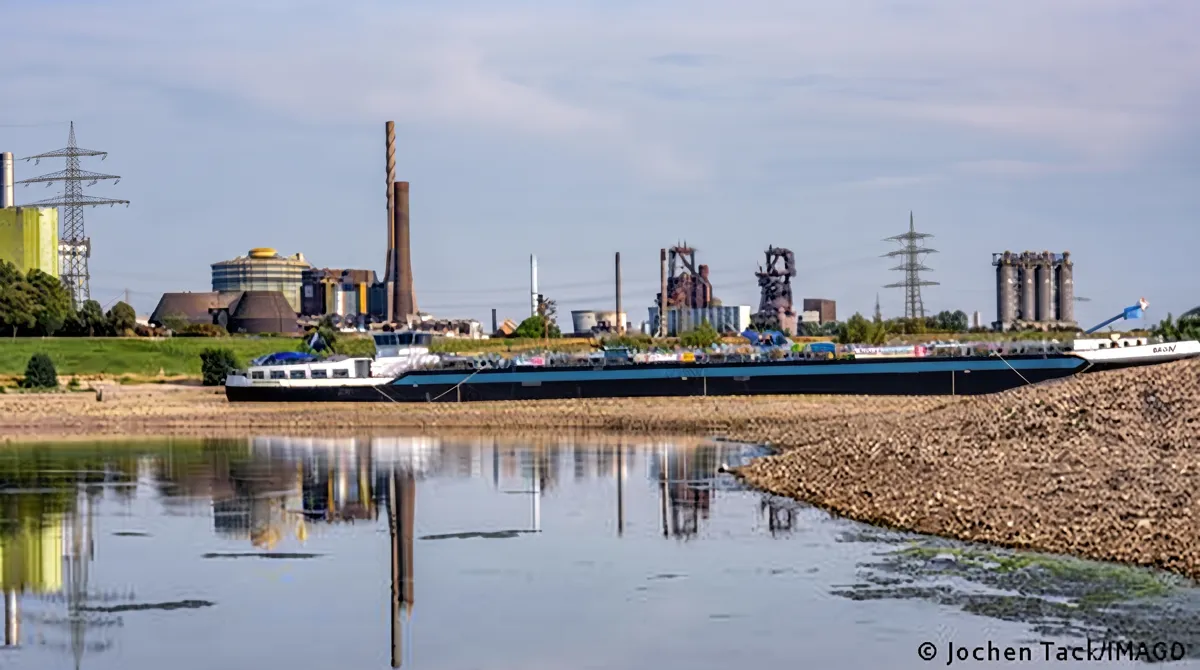
At the Kaub gauging station in western Germany, Rhine water levels dropped to just 24 centimetres — a record minimum — with forecasts suggesting further declines to 17 centimetres in the coming days. In Cologne and Düsseldorf, people can now walk on exposed riverbeds where powerful currents used to flow. Along the Danube, cargo and cruise ships have been unable to navigate in multiple locations. In Serbia, Hungary, Romania, and Croatia, sunken World War II-era ships and automobiles have re-emerged from the nearly dry riverbed. According to the official Niwis low-water monitoring system, only 2.4% of Danube gauging stations are not recording low water levels.
Cascading Consequences for Nature and Economy
Scientists warn that the crisis threatens more than navigation. Warm, oxygen-depleted river water is causing mass fish deaths, according to Jeanette Völker of Germany's Federal Environment Agency. Across Spain, France, Italy, Germany, and Eastern Europe, the ongoing drought threatens millions of hectares of crops. Groundwater and drinking water supplies are also at risk, with costs for clean water expected to rise sharply. Climate change — driven by burning fossil fuels — is amplifying the frequency and severity of such droughts, scientists stress.