South Korea Cuts Joint US War Games Short at Washington's Request
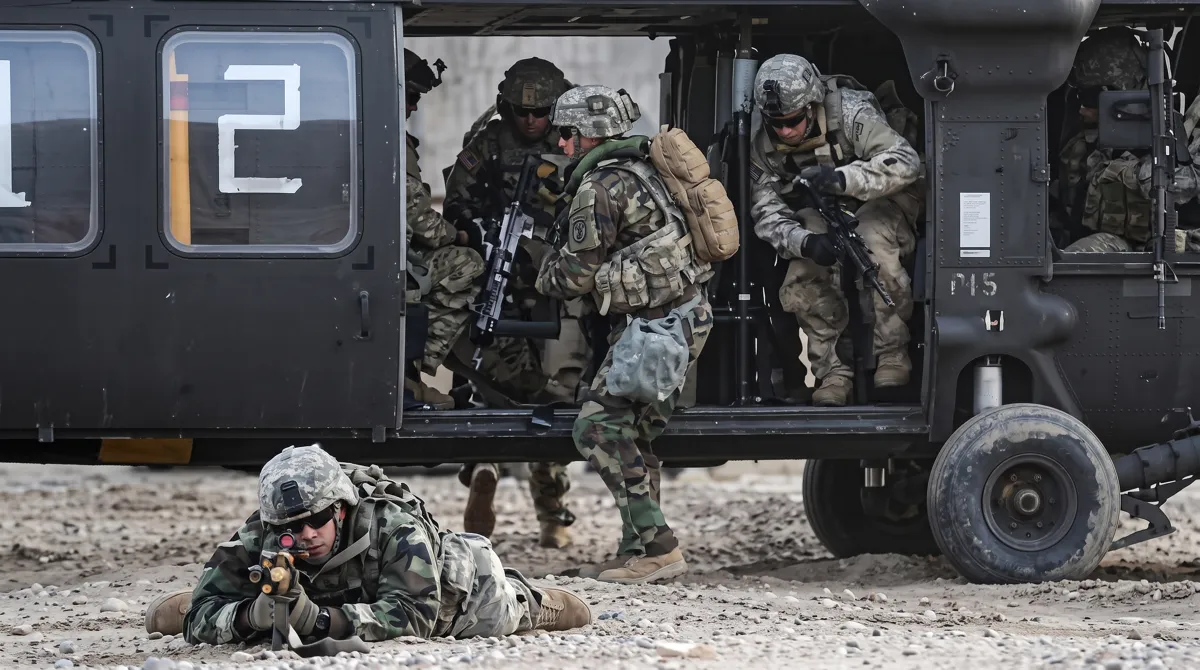
South Korea confirmed on 19 August that its annual joint military exercises with the United States, known as Ulchi Freedom Shield, will be cut short by six days at Washington's request. The drills will now conclude on 21 August rather than the planned 27 August, and a key field training component will also be partially reduced in scale.
Why the exercises were shortened
Seoul's defence ministry said the changes resulted from a "proposal of the US side", while South Korea's Foreign Minister Cho Hyun told parliament that neither Seoul nor US officials had known in advance of Trump's plans to curtail the exercises. The announcement follows a weekend social media post by President Trump, who wrote that the exercises were "not only costly, with much of these costs paid for by the United States of America (as usual!), but send a signal that is totally inappropriate and hostile".
Trump's broader strategy
Trump has explicitly linked his decision to South Korea's refusal to help with Iran. Speaking to reporters on Monday, he said: "We have 39,000 soldiers over there guarding you from Kim Jong Un, your next door neighbour, and you're not going to help us on a very easy military operation in Iran. That's strange." US officials separately told the Wall Street Journal that Trump is pushing for a meeting with North Korean leader Kim Jong Un — possibly during a November Asia-Pacific Economic Cooperation trip to China.
Significance
The annual drills are a cornerstone of the US-South Korea security alliance and have long been opposed by North Korea, which views them as rehearsals for invasion. Trump's willingness to scale them back at will marks a significant shift in US alliance management in the Indo-Pacific.