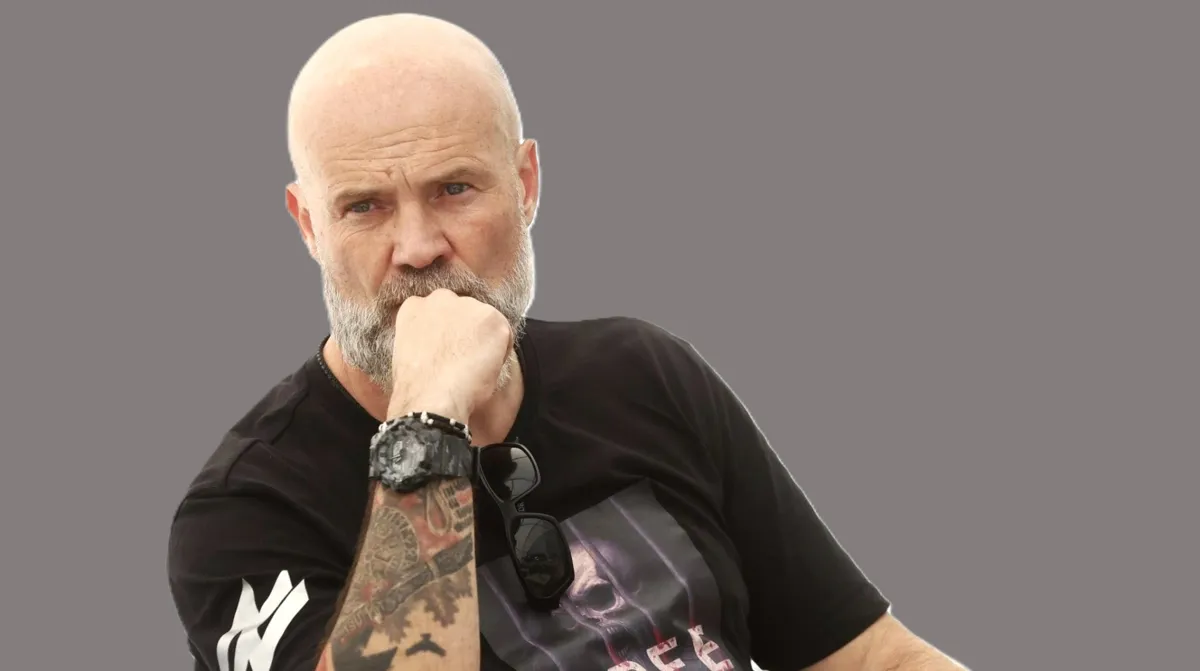
"The Weapon Is Inside Us": A Mariupol Defender's Tale of Resistance, Captivity, and Cultural Revival
During a harrowing interrogation in Russian captivity, Gennady Kharchenko, a defender of Mariupol and a fighter of the Azov regiment, faced a classic three-on-one scenario. Disarmed and surrounded by Russian captors eager to assert dominance, Kharchenko’s calm demeanor completely upended the power dynamic.
An Unbreakable Spirit
The captors attempted to mock him, questioning how surrendering with weapons fit into his unit's ethos. Kharchenko's response was unwavering. He explained that they did not refuse the fight but simply followed orders, asserting that captivity is not a disgrace for a warrior. When asked where his weapon was now, Kharchenko delivered a defining reply: "Inside us."
Born in Zaporizhzhia in 1972, Kharchenko volunteered to fight against Russian forces in 2014. For his captors, his mindset was incomprehensible. Steeped in narratives of "Russophobia" and Western conspiracies, Russian officials viewed the resilient Ukrainian prisoners as anomalies. Kharchenko noted that high-ranking officers from the FSB, Akhmat, and the Russian penal system would line them up and stare at them like "aliens from another planet" or "Western rock bands in the Soviet Union," searching for answers they could not comprehend.
The "Ostroh" Azov Free Academy
Despite the grueling conditions, the prisoners refused to lose their humanity. Following his release in October 2024, Kharchenko revealed how they organized makeshift educational classes while held in Olenivka. The initiative began when a fellow fighter, Lemko, managed to smuggle two battered notebooks and a chewed pencil in his pocket while handcuffed.
Jokingly dubbed the "Ostroh Azov Free Academy," the prisoners held regular lessons. Kharchenko and a fighter named Yarylo taught English—with one lesson aptly titled "Big City Lights"—while another comrade, Dotsent, delivered lectures on Ukrainian history.
Beyond the Industrial Facade
Kharchenko’s dedication to history dates back to his university days in the late 1980s. At a time when studying history was merely a stepping stone for a career in the KGB or the Communist Party, the history and philology faculties in Zaporizhzhia quietly became outposts for Ukrainian patriotism. Many graduates from these programs eventually became warriors.
For decades, cities like Zaporizhzhia and Mariupol were subjected to heavy Russification, framed solely as polluted industrial hubs serving the Soviet defense sector. However, Kharchenko highlighted a profound, underlying thirst for culture among the residents. He recalled how initiatives like GogolFest and "Night at the Museum" shattered the industrial stereotype. In a single night, 10,000 people flocked to see 19th-century Ukrainian paintings, Scythian gold, and the works of Maria Prymachenko, while rediscovering the local heritage tied to artists like Alla Horska.