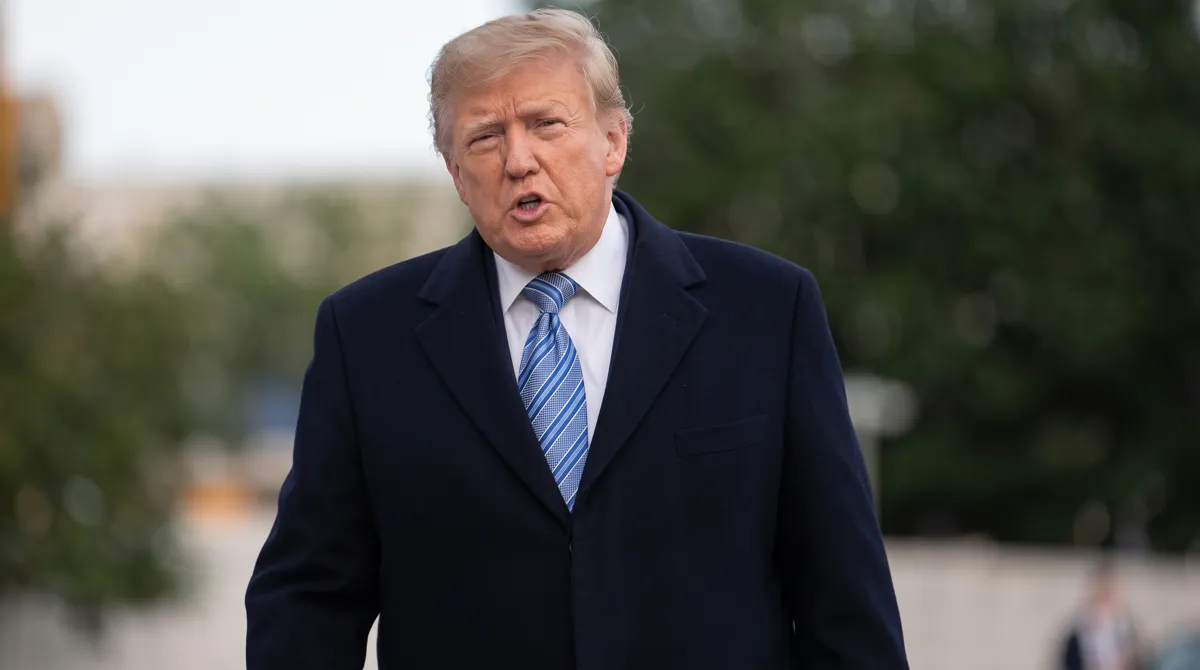
Trump rejects Iran's maximum demands in nuclear talks, pushing for limited deal
US President Donald Trump has rejected Iran's maximum demands in nuclear negotiations, Deutsche Welle reported on September 26, signaling that Washington is not willing to accept Tehran's broad conditions and instead prefers a more targeted agreement focused specifically on limiting Iran's uranium enrichment activities.
Iran's demands and Washington's response
Iran had reportedly sought comprehensive sanctions relief, recognition of its right to enrichment at high levels, and security guarantees as part of any new nuclear framework. Trump's position, as relayed by senior US officials, was that these demands go far beyond what a realistic deal could deliver and that Iran must significantly scale back its enrichment program as a precondition for substantial sanctions relief.
The United States has indicated willingness to offer phased sanctions relief tied to verifiable steps by Iran, but has rejected any framework that would allow Tehran to retain a rapid breakout capacity toward a nuclear weapon.
State of the talks
Nuclear talks between the US and Iran have proceeded in fits and starts through several rounds of indirect negotiations. European intermediaries, including France, Germany, and the UK, have played a key role in facilitating communication between the two sides, which do not hold direct diplomatic relations.
Iran's enrichment levels have surged well above the caps set by the 2015 Joint Comprehensive Plan of Action, which the Trump administration withdrew from during its first term. Tehran maintains that its nuclear program is entirely peaceful, a claim disputed by Western intelligence agencies and the International Atomic Energy Agency.