UK Warns Iran Over Hostile Acts on British Soil at UN Meeting
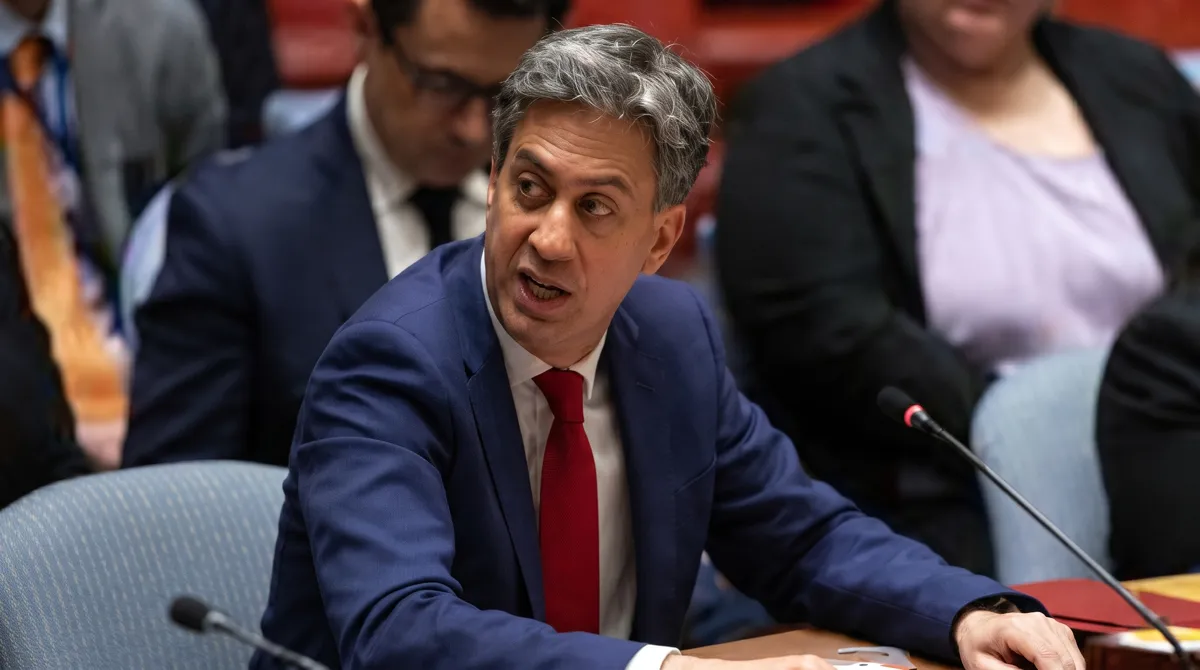
British Foreign Secretary Ed Miliband confronted Iran's foreign minister Abbas Araghchi directly at the United Nations General Assembly in New York this week, warning that the United Kingdom would not accept Iranian-linked intimidation, threats, or hostile operations carried out on British soil.
The face-to-face meeting followed a series of incidents that UK intelligence services have attributed to Iran or its proxy networks operating inside Britain. In March 2026, British security agencies concluded that Iranian-linked actors were responsible for an arson attack that destroyed four ambulances belonging to a Jewish community organisation in Golders Green, north London.
A separate incident in July saw a British power station forced to shut down after a cyber attack that authorities attributed to hackers working with or on behalf of the Iranian government. Together, the two incidents formed part of what British officials have described as a pattern of Iranian-directed covert activity against the United Kingdom.
Miliband raised additional concerns during his meeting with Araghchi, including the plight of a British couple detained inside Iran and the broader conflict consuming the Middle East. He urged Iran to choose a path of de-escalation and diplomacy rather than continuing to support proxies prolonging regional warfare.
The foreign secretary pressed Tehran specifically on the Strait of Hormuz, the critical global waterway whose disruption has sent shockwaves through international energy markets. Miliband called for steps to reopen the strait, stressing its importance for global trade and stability.
The UK-Iran exchange took place against the backdrop of a seismic shift in the region's power dynamics. In February of this year, US and Israeli forces launched military strikes against Iran that resulted in the death of the country's supreme leader, fundamentally altering the geopolitical landscape of the Middle East and leaving Tehran under acute pressure both domestically and internationally.
British officials emphasised that while London remains committed to diplomatic engagement with Tehran, any hostile actions directed at communities or infrastructure in the United Kingdom will carry serious and lasting consequences.