Baby's Ashes Returned to UK Mum Were Animal Remains
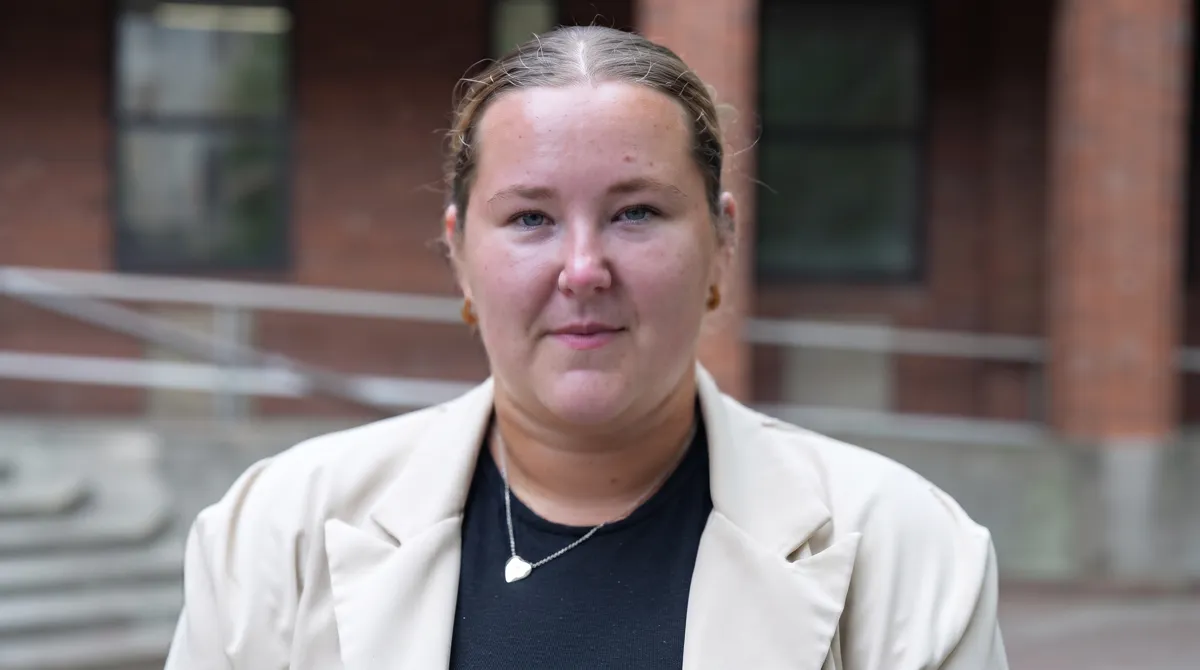
A bereaved mother in the United Kingdom has spoken out about the heartbreaking discovery that the ashes she received following her infant's death did not belong to her child but were instead the remains of an animal. The woman described her anguish after being informed of a tragic mix-up that left her without the true remains of her baby.
The mother had cherished what she believed to be her child's cremated remains, finding some comfort in holding onto them as a final connection to her lost baby. The devastating revelation that they were the ashes of an animal rather than her infant has deepened her already profound grief and shattered the fragile sense of closure she had sought.
A Profound Betrayal of Trust
The case raises serious concerns about the procedures in place at facilities responsible for the cremation and handling of infant remains. Families who lose newborns and young children are among the most vulnerable at the time of their loss, and errors of this nature can cause lasting and irreparable harm to already grieving parents.
The mother has spoken publicly about her heartbreak, describing the situation as a betrayal of the trust she had placed in those responsible for caring for her baby after death. She has said that she hopes by sharing her experience, other families will be spared from facing the same unimaginable pain.
A Call for Greater Accountability
The incident, reported by the BBC, has drawn widespread public attention and prompted urgent discussion about the standards and oversight required for cremation services handling the remains of infants and young children. It underscores the vital need for meticulous procedures, rigorous checks and human compassion at every stage of the process.
For any parent who loses a baby, the grief is immeasurable. For this mother, the additional pain of learning that her child's ashes were never properly returned to her represents a profound and ongoing trauma that no family should ever have to endure. Losing an infant is one of life's most devastating experiences, and the care with which remains are handled matters enormously to grieving families seeking even the smallest measure of closure.