Ceuta Crisis Tests EU's New Asylum Pact
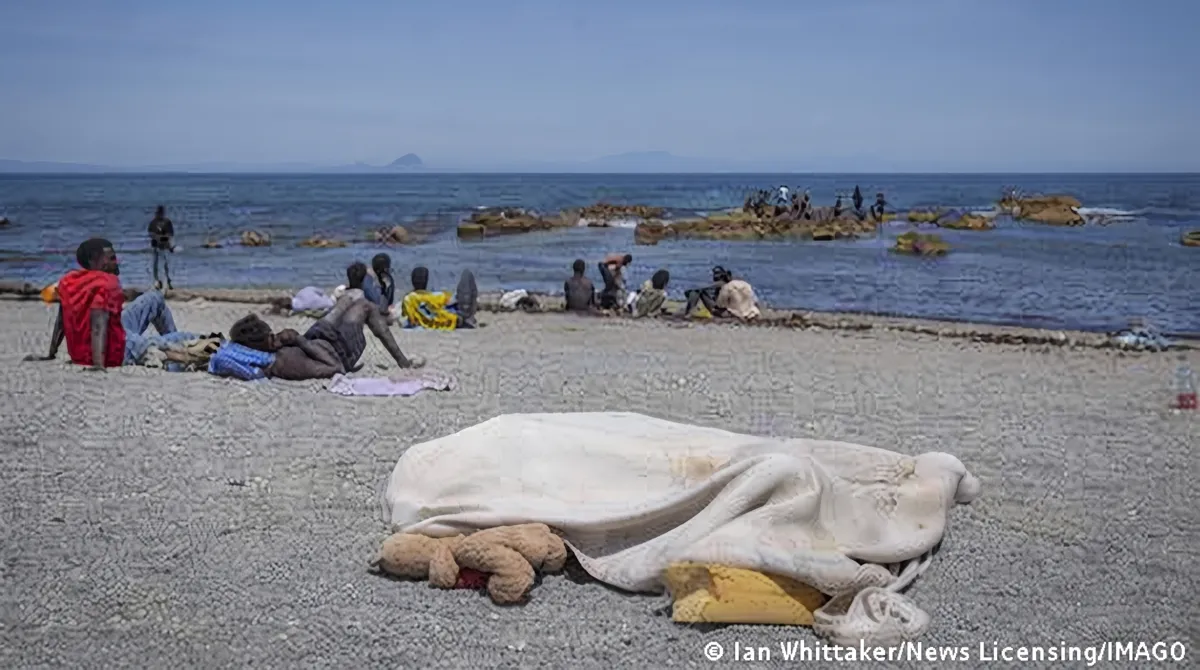
The Spanish enclave of Ceuta has become the flashpoint for Europe's most serious migration challenge in years. According to Spanish authorities, roughly 72,000 people crossed irregularly from Morocco into Ceuta in a single week, with at least 75 deaths reported. Around 70,000 have since returned to Morocco, though officials acknowledge the figures remain difficult to verify fully.
EU Closes Ranks Behind Spain
EU interior ministers convened an emergency video conference on Tuesday to coordinate a political response. While no formal decisions were adopted, the meeting delivered a clear signal of support. "There was full solidarity with Spain in the room," said EU Interior Commissioner Magnus Brunner. France's Interior Minister Laurent Nuñez added that all member states praised Spain's crisis management and its cooperation with Morocco.
The unified tone marked a contrast with the days immediately after the mass crossing, when Italy, Denmark, and Finland briefly threatened to suspend Schengen cooperation with Spain, accusing Madrid of failing to protect the EU's external border adequately.
Frontex to Be Strengthened, Smugglers Pursued
Ministers agreed that the EU's border agency Frontex should be reinforced and that human smugglers must be prosecuted more aggressively. France has already deployed five mobile units to monitor 37 border crossings along the Pyrenees, with 186 additional rapid border intervention personnel announced.
However, migration expert Gerald Knaus cautioned against reading too much into the images: "We have a political crisis. But it is not comparable to 2015. Most of those who crossed were young Moroccan men — this is not a sudden spike in structural pressure caused by a major flight movement," he told DW.
New EU Asylum Pact Put to the Test
The Ceuta incident arrives just weeks after the EU's new Asylum and Migration Pact came into force in June, following years of negotiations. Ministers insisted the framework remains on track, citing faster border screening, shorter asylum procedures, and a binding solidarity mechanism as its core strengths.
Knaus, however, dismissed the reinforced French border controls as largely symbolic: "In reality, these controls are theatre. They stop no one. Politicians feel pressure to act — so they do something that won't work until the next crisis," he said. The Schengen zone's integrity depends on mutual trust that all member states protect their stretches of the external border; that trust was shaken but, for now, appears to have been restored.