Chip Stocks Plunge in US and Asia on AI Jitters
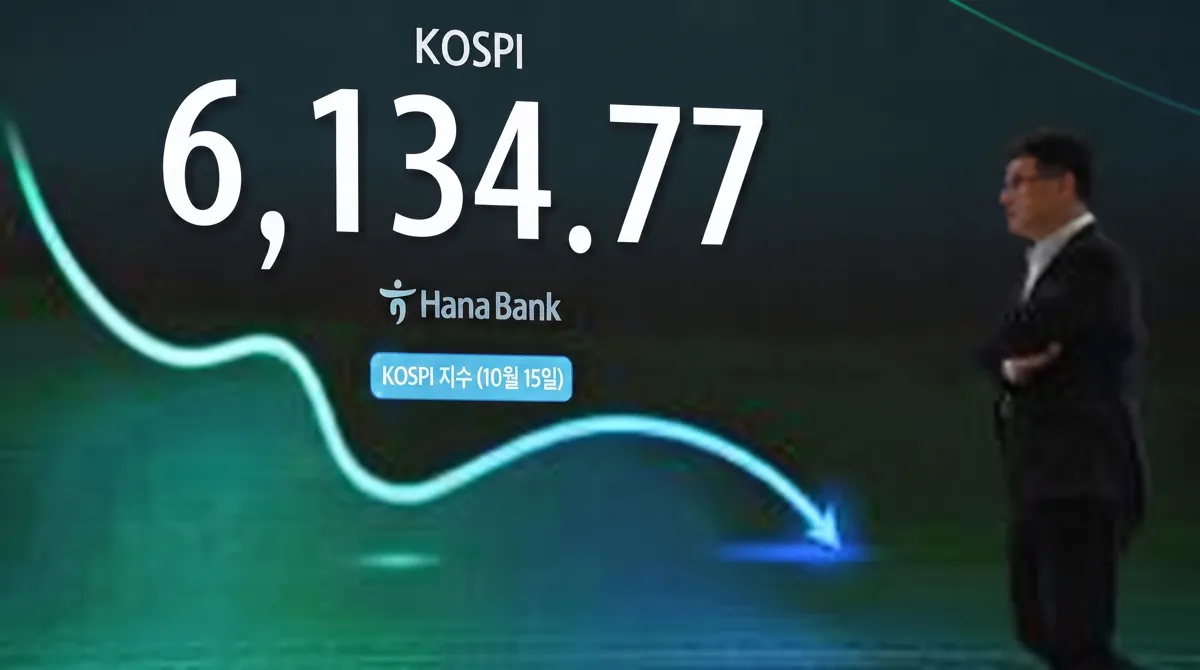
Shares in semiconductor companies fell sharply across the United States and Asia on Tuesday, as growing investor anxiety over the pace of artificial intelligence adoption rattled markets. South Korea's benchmark Kospi index triggered circuit breakers after sliding more than 8%, forcing a temporary halt to trading.
Global Market Rout
The selloff hit major chipmakers on both sides of the Pacific. Companies that supply AI infrastructure — including makers of graphics processing units and high-bandwidth memory — saw the steepest declines. Analysts point to a combination of factors: recent earnings guidance that fell below lofty AI-driven expectations, concerns about oversupply in the memory chip sector, and broader uncertainty about the monetization timeline for AI investments.
South Korea's Kospi Pauses
South Korea's Kospi index fell more than 8% in early Tuesday trading, triggering the market's automatic circuit breaker mechanism, which pauses all trading temporarily to prevent panic-driven freefall. The country's chip sector is critically exposed, as several of its largest companies are global leaders in memory production.
This correction reflects a reality check on AI demand timelines. Investors got ahead of fundamentals, and markets are now recalibrating, noted a senior market strategist in Seoul.
US Chip Stocks Also Slide
In the United States, leading semiconductor names opened Tuesday's session sharply lower. The broader technology sector also declined, compounding recent concerns about the sustainability of the AI-fueled rally that has driven markets for much of the past two years.
The episode highlights the volatility inherent in AI-adjacent sectors, where investor sentiment can swing dramatically on even minor changes in growth expectations.