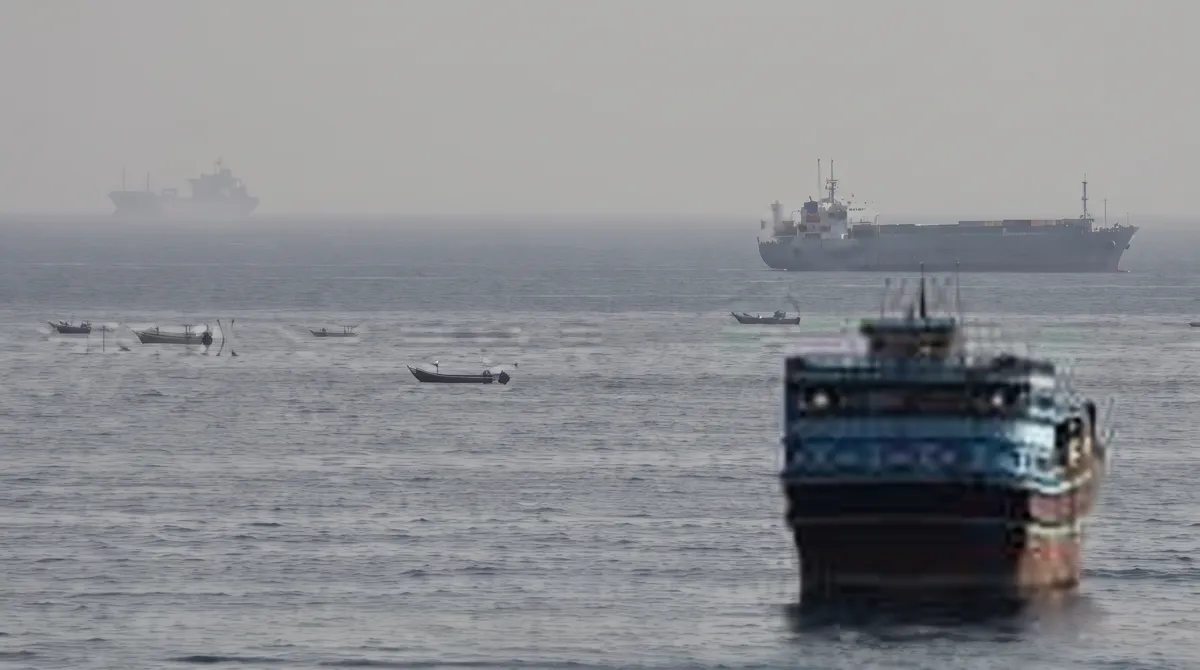
Iran-Oman Hormuz Shipping Deal Reaches Final Stages
Iran has announced it is in the final stages of an agreement with Oman on a temporary shipping route through the Strait of Hormuz, the world's most critical oil transit point. Foreign ministry spokesman Esmaeil Baqaei confirmed that the "geographical coordinates of the route" had been agreed with Muscat, though no further operational details were provided.
A Temporary Corridor, Not a Full Reopening
Deputy Foreign Minister Kazem Gharibabadi clarified that the arrangement would be temporary, lasting between two and four months. Tehran stressed that even with this route in place, safe navigation through the strait would not be guaranteed. Baqaei cited what Iran describes as an ongoing US naval blockade and "other aggressive and threatening actions" against Iranian interests as factors continuing to jeopardise security.
Neither the United States nor Oman commented publicly on the proposed arrangement. Iran has maintained it is not negotiating directly with Washington and has no intention of doing so.
Why the Strait of Hormuz Matters
The Strait of Hormuz is a narrow waterway connecting the Persian Gulf to the Arabian Sea, through which roughly 20% of the world's oil and liquefied natural gas (LNG) normally passes. Since a joint US-Israeli military operation struck Iran in February 2026, Tehran has largely restricted commercial shipping through the channel, causing significant global energy market disruption.
On Tuesday, US President Donald Trump warned that Iran would face severe consequences if the strait was not reopened "very soon." Senior US officials had indicated that talks were progressing and that some shipments could potentially resume before the week was out.
Oil Markets React Cautiously
Financial markets responded with measured optimism. Global benchmark Brent crude fell 0.3% to $79.24 per barrel in early Asian trading on Thursday. Energy prices have fluctuated sharply since the conflict began, with the prolonged closure of the strait creating supply uncertainty for buyers across Europe and Asia.
A further sticking point remains Iran's demand for transit fees of between 5% and 7% of cargo values, a condition Western governments and shipping companies have so far refused to accept.