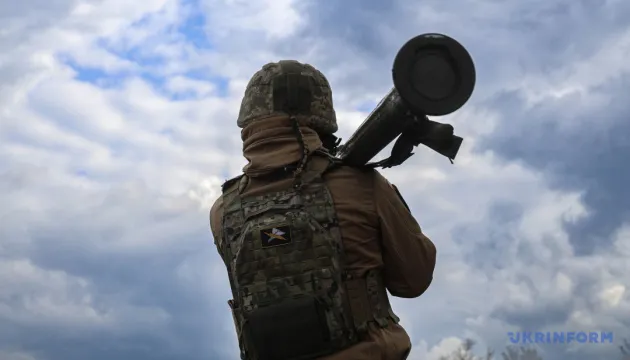
Ukraine Air Defenses Intercept 37 Rockets and 326 Drones in Overnight Battle
Ukraine's air defence forces conducted one of their most intensive intercept operations in recent weeks during the night of July 5–6, shooting down 37 of 68 incoming rockets and neutralising 326 of 351 attack drones launched by Russian forces in a massive combined strike.
Scale and Composition of the Attack
Russia deployed 419 weapons in total, comprising 68 rockets of various types and 351 Shahed-series and other unmanned aerial vehicles. Among the rocket types identified were six Zirkon and Onyx hypersonic and anti-ship missiles, 23 Iskander-M ballistic missiles and S-400 surface-to-surface variants, 33 air-launched Kh-101 cruise missiles, and six sea-launched Kalibr cruise missiles.
The use of hypersonic Zirkon and Onyx missiles alongside a large Shahed drone swarm represents a calculated effort to saturate air defences: while ground-based missile systems focus on faster, higher-priority ballistic and hypersonic threats, the slower drone wave attempts to slip through gaps in the coverage.
Air Defence Response
The Ukrainian Air Force confirmed that fighter aviation, ground-based air defence missile systems, mobile fire groups, and electronic warfare units all participated in the night's defensive operation. Aircraft intercepted threats at longer ranges, while short-range systems and electronic jamming handled the drone swarm closer to populated areas.
The remaining unintercepted weapons struck targets across Ukraine, contributing to the casualties and damage reported in Kyiv and other regions. Authorities in multiple oblasts reported impacts on infrastructure and residential buildings.
Escalating Pressure
The attack is part of a sustained campaign Russia has maintained throughout the summer of 2026, alternating between large combined salvos and smaller targeted strikes. Ukrainian defence officials have repeatedly called on Western allies to supply additional long-range air defence systems, particularly Patriot batteries and their interceptor missiles, to address the growing volume and diversity of Russian munitions.
Despite the high intercept rates, even a fraction of 419 weapons reaching their targets causes significant damage. Military analysts note that Russia appears to be deliberately testing the limits of Ukrainian air defences by combining different missile types and drone categories in a single coordinated wave.