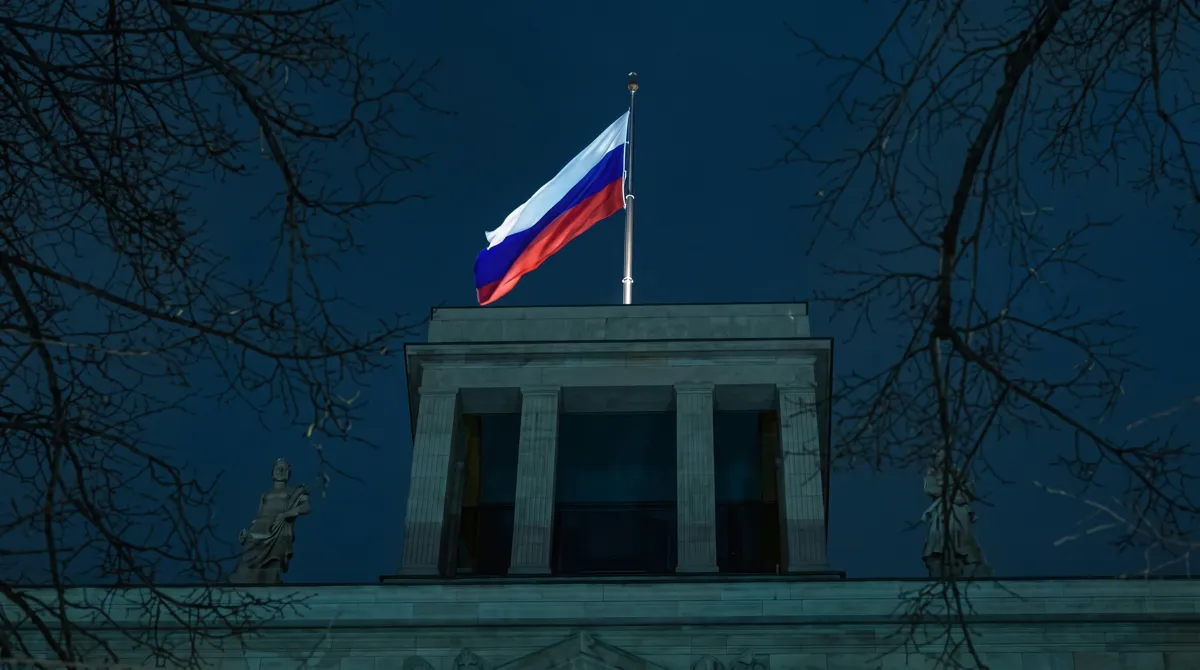
Germany poll: 56% see Russia as security threat amid attacks
More than half of Germans now view Russia as a direct threat to their country's security, according to a new ARD-Deutschlandtrend poll. Conducted by infratest-dimap between August 31 and September 2, 2026, the survey questioned 1,319 eligible voters and found 56 percent see Russia as a danger to Germany.
Context: Wave of Infrastructure Attacks
The poll comes amid a surge of attacks on critical German infrastructure. In recent weeks, a drone targeted Leipzig airport, explosive devices were discovered at substations in Brandenburg and North Rhine-Westphalia, and an arson attack occurred near armaments companies in Bavaria. The German government has explicitly attributed the Leipzig airport drone strike to Russia.
Chancellor Friedrich Merz described the situation starkly: Germany is not at war, but no longer at peace either. Interior Minister Alexander Dobrindt warned that Germany has become a daily target of hybrid warfare — operations that fall below the threshold of an open military attack, including cyberattacks, espionage, disinformation, and sabotage.
Sharp East-West and Political Divides
While the national figure stands at 56 percent, the sense of threat is unevenly distributed. Nearly half of residents in eastern Germany feel little or no threat from Russia. The divide is even starker along party lines: two-thirds of Alternative fuer Deutschland (AfD) supporters consider the Russian threat to be low. The same pattern holds on the question of weapons deliveries to Ukraine.
Polling Snapshot: AfD Leads Nationally
The survey also captured a national voting-intention snapshot. The AfD stands at 27 percent nationally, down one point from August, making it the strongest party. CDU/CSU follows at 21 percent — sharply down from 28.5 percent at the February 2025 federal election. The Greens are at 15 percent. In Sachsen-Anhalt, where a state parliament election is scheduled for September 6, the AfD is polling well ahead and could potentially secure an absolute majority.