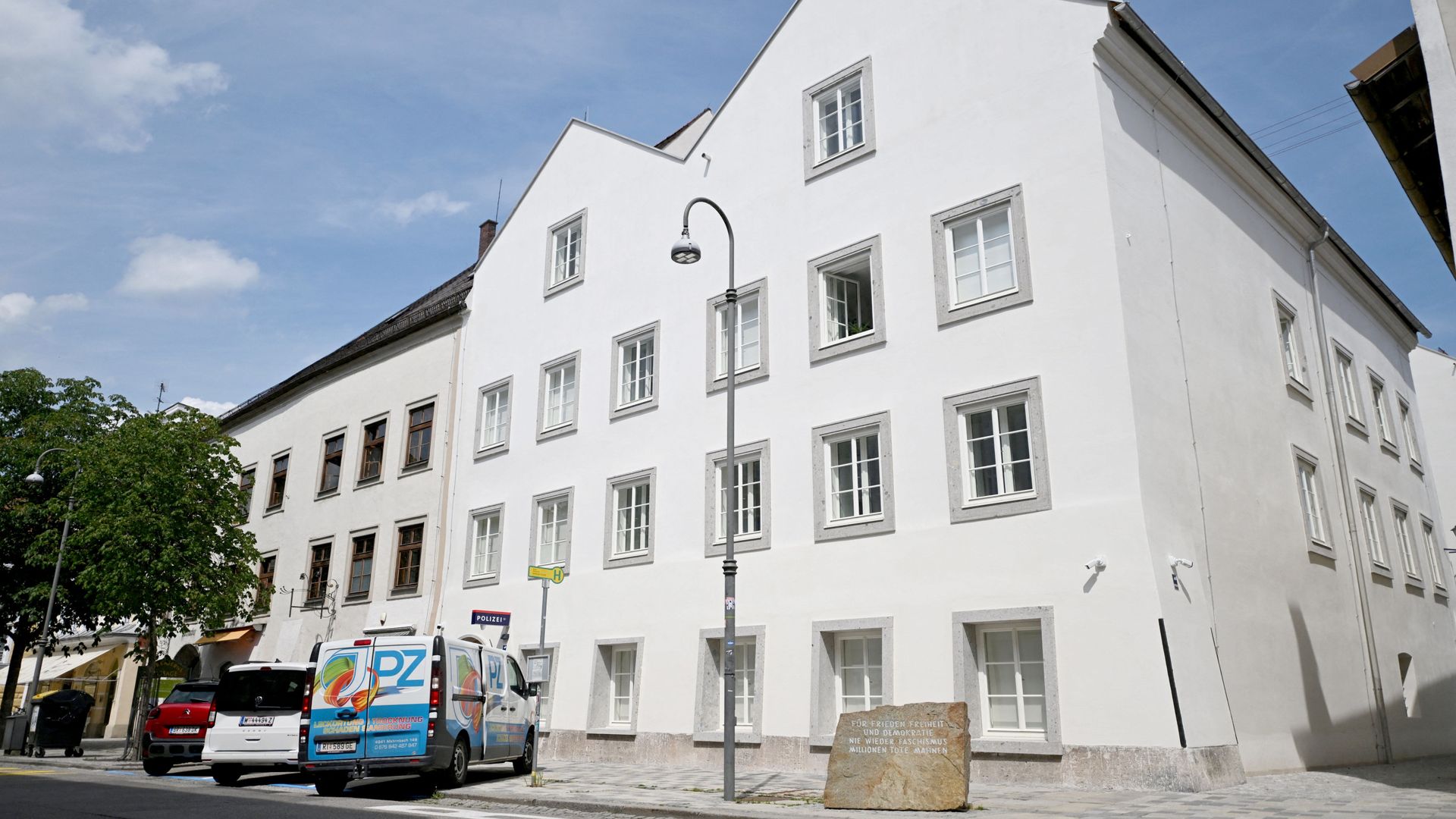
Hitler's Birthplace in Austria Converted to Police Station to Deter Neo-Nazi Pilgrims
The Austrian government has completed the conversion of Adolf Hitler's birthplace in Braunau am Inn into a functioning police station — a deliberate act designed to strip the building of any symbolic attraction it might hold for far-right extremists and neo-Nazis who had long attempted to treat it as a place of pilgrimage.
A Decades-Long Dilemma
The building on Salzburger Vorstadt street in the small town of Braunau am Inn, near the German border in Upper Austria, has posed a thorny political and cultural problem for the Austrian state for decades. Hitler was born there on 20 April 1889, and the address has attracted unwanted attention from neo-Nazi groups across Europe and beyond, who have periodically gathered near the building on significant dates — including Hitler's birthday.
Austria purchased the property from its former private owner in 2016 specifically to control what would become of it. A lengthy national debate followed about the best way to handle the building: demolish it entirely, use it for social services, or — as ultimately decided — convert it into a police station so that its purpose would serve as a direct repudiation of the ideology associated with its most notorious former resident.
Government's Strategic Choice
Officials argued that a police station would serve two symbolic purposes simultaneously: neutralising the building's attraction to extremists, while also making a statement about the rule of law and democratic values. A police presence at the very address would make any attempted neo-Nazi gathering at the site untenable.
The Austrian interior ministry confirmed the conversion is complete. Local police in Braunau am Inn have already begun operations from the renovated premises. The town has long distanced itself from its most infamous association — a large memorial stone outside the former birthplace has for years carried an inscription calling for peace and against war and violence.
A Symbol Reclaimed
Historians and anti-extremism advocates largely praised the decision, calling it a pragmatic and symbolically powerful solution to a genuinely difficult problem. "Converting it into a police station transforms the building from a potential shrine into an active symbol of state authority and law enforcement," one observer noted. The decision is expected to draw international attention as a case study in how democracies handle sites associated with historical atrocity.

We use cookies to improve your experience. Privacy Policy