Iran Offers Nuclear Deal Before US Midterms, White House Cites Terror Record
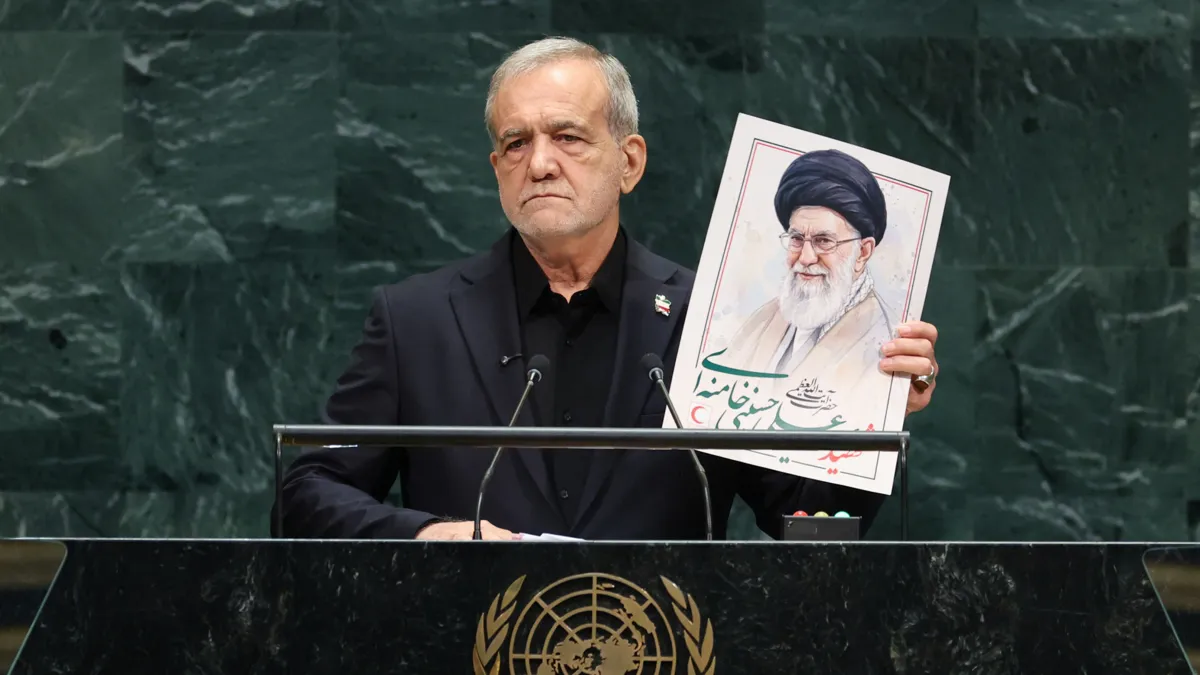
Iranian President Masoud Pezeshkian said Thursday that Tehran is willing to conclude a conflict-ending agreement before the United States congressional midterm elections in November, as diplomatic back-channels remain active despite deep mutual hostility following a US-Israeli strike that killed Iran's supreme leader earlier this year.
"We do not want this to drag on until the midterm elections," Pezeshkian said, referring to a Memorandum of Understanding covering a ceasefire and the reopening of the Strait of Hormuz. "We want the Americans to return to the Memorandum of Understanding before the midterm elections."
The Strait of Hormuz, through which roughly a fifth of global oil supplies passes, has been a flashpoint since the conflict escalated. Iranian forces have carried out a series of attacks in the waterway, disrupting shipping and driving up energy prices worldwide.
The White House rejected the overture without offering direct negotiations. Spokeswoman Anna Kelly emphasized Iran's record of violence, citing the regime's role in killing Americans abroad and thousands of its own citizens, as well as what she called terrorist acts in the Strait of Hormuz.
The diplomatic backdrop is extraordinarily fraught. In February, the United States and Israel conducted strikes on Iran that killed the country's supreme leader, a development that reshuffled Iranian politics and brought Pezeshkian's government to power amid promises of pragmatic engagement with the West.
Pezeshkian's outreach appears timed to exploit political dynamics in Washington ahead of November's vote. A deal that reopened Hormuz and eased oil prices could deliver a significant economic boost to whichever administration could claim credit.
However, American officials remain deeply skeptical. The killing of US citizens, alleged state-sponsored terrorism and Iran's continued ballistic missile program represent formidable obstacles to any rapid normalization of ties.
Analysts note that Pezeshkian faces pressures at home as well, with hardline factions hostile to any accommodation with Washington still influential within Iranian institutions. Whether his offer reflects a genuine shift in Tehran's calculus or a tactical gambit ahead of elections in both countries remains to be seen.